
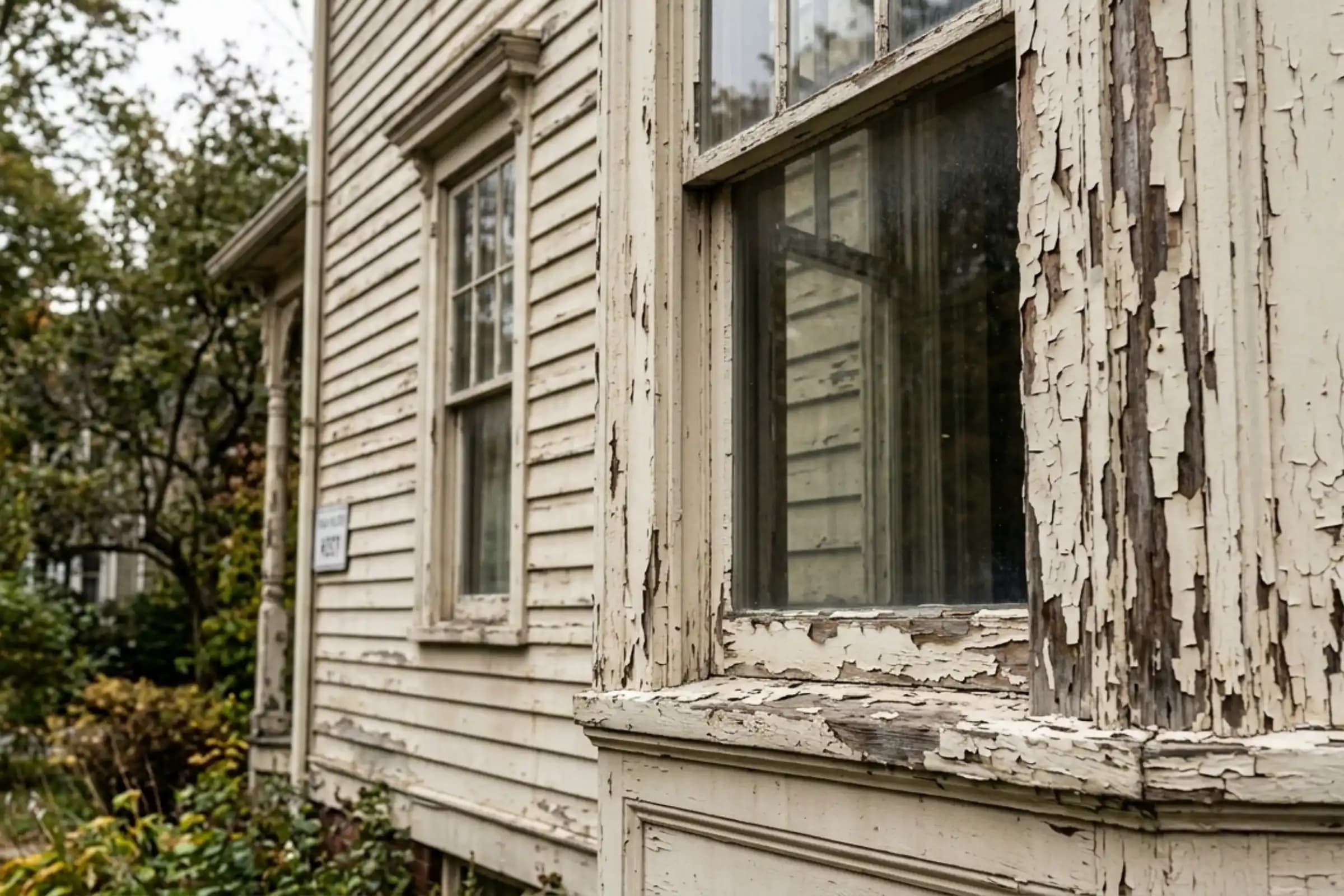
Lead Testing & Lead Paint Inspection Services
Know where lead paint and lead-containing materials are before you renovate, rent, sell, or occupy.
- Certified inspectors
- XRF & lab analysis
- Written reports
- Residential & commercial
- Certified lead testing process
- Surface-by-surface documentation
- Residential and commercial testing
- Clear next-step guidance
Find Your Starting Point
Serving homeowners, buyers, sellers, contractors, landlords, and commercial property owners across the Southeast.
Lead Testing Services
Peerless Environmental provides lead testing services for residential and commercial properties across the Southeast. The right service depends on your property, your project, and what documentation you need.
Lead Paint Testing & Inspection
Surface-by-surface identification
- A certified inspector evaluates painted surfaces across your property using XRF screening, paint-chip sampling, or both. You receive a written report identifying each surface tested, the method used, and whether lead-based paint was found. The primary service for homeowners, buyers, sellers, and anyone who needs documented baseline information before a decision is made.
Lead Risk Assessment
Hazard evaluation and pathway analysis
- A lead risk assessment goes beyond identifying whether lead paint is present. It evaluates lead hazards (including paint condition, dust, soil where relevant, and exposure pathways) and produces recommendations for reducing risk. Appropriate when the goal is understanding whether hazards exist and what level of response is warranted, not just confirming the presence of lead paint.
Lead Dust-Wipe Sampling
Settled lead dust on floors and surfaces
- Dust-wipe sampling collects settled dust from floors, window sills, and other horizontal surfaces using specially prepared wipes. Samples are analyzed at an accredited laboratory to determine whether lead dust may be present at hazardous levels. Used in hazard assessments, post-renovation evaluations, and situations where dust exposure rather than painted surface condition is the primary question.
XRF On-Site Lead Testing
Fast, non-destructive surface screening
- XRF testing uses a handheld instrument to screen painted surfaces for lead without removing material in most cases. It produces fast, surface-by-surface readings and is practical for inspections covering many surfaces across a property in a single visit. XRF is widely used for lead paint inspections, risk assessments, and pre-renovation screening where speed and minimal disturbance matter.
Post-Abatement Clearance Testing
Confirms safe conditions after abatement or renovation
- Clearance testing confirms that an area meets the required post-work standard after lead abatement or renovation in a lead-containing building. Dust-wipe sampling is the standard method because lead dust can remain on surfaces after visible debris has been removed. Clearance testing is required before re-occupancy in most abatement projects and is the documentation that formally closes out the work.
Why Lead Testing Matters
Lead-based paint was widely used in homes and buildings constructed before 1978. When paint is intact and undisturbed, it may pose limited day-to-day concern. The risk begins with disturbance: sanding, scraping, cutting, or demolition work can generate lead dust that is invisible to the eye and undetectable without testing.
- Lead cannot be identified by appearance alone. Paint that looks fine may contain lead; paint that appears old or deteriorating may not. Only testing confirms what is present.
- Friction and impact surfaces (doors, windows, and stair components) are higher-risk areas because normal use continually disturbs paint and generates fine dust.
- Testing gives you a clear, documented answer before any work begins, before any property changes hands, and before any tenant moves in.
When Lead Testing Is Needed
Lead testing is worth considering any time a pre-1978 building may be renovated, sold, leased, or otherwise affected by work. That includes any work that could disturb painted surfaces or generate lead dust.
- Before renovation or remodeling work in a pre-1978 building
- Before purchasing or selling a home built before 1978
- Before renting to tenants in properties with pre-1978 construction
- When paint is visibly deteriorating, peeling, chipping, or chalking
- Before contractor work that may trigger EPA RRP lead-safe requirements
- When compliance documentation is needed for institutional or commercial facilities
- After lead abatement or remediation work, to confirm clearance standards are met
- When a property's lead paint history is unknown or undocumented
Professional Lead Testing vs. DIY Test Kits
Consumer lead test swabs are sold at hardware stores and online. Understanding what separates a kit from professional testing helps you choose the right approach for your property and situation.
DIY Test Kits
- Surface swabs may produce false negatives on certain paint types or substrates
- No professional guidance on which surfaces to prioritize or how to collect samples safely
- Results typically lack the documentation required for real estate, contractor, or regulatory use
- No written report, no chain of custody, and no professional interpretation of what results mean
Professional Testing
- Certified inspector identifies which surfaces and areas should be tested and how
- XRF screening and controlled sample collection minimize disturbance during testing
- Lab-confirmed results with chain-of-custody documentation where samples are collected
- Written report suitable for real estate transactions, contractor use, and compliance documentation
- Professional guidance on what results mean and what comes next if lead is found
For renovation, sale, rental, or compliance purposes, professional testing produces more reliable results, proper documentation, and a clearer path to next steps.
Related reading: what lead-based paint is, when lead testing is required, signs of lead paint, and the lead testing cost calculator.
How Lead Is Tested
Professional lead testing uses one or more methods depending on the property, the surfaces in question, and the purpose of the inspection. A certified inspector selects the appropriate method or combination of methods based on your specific situation.
- 1XRF (X-Ray Fluorescence)
- XRF uses a handheld instrument to screen painted surfaces for lead without removing material in most cases. It produces fast, surface-by-surface readings and is widely used for inspections that cover many surfaces across a property.
- 2Paint-Chip Lab Analysis
- A small paint chip is collected from the surface and sent to an accredited laboratory for analysis. Paint-chip sampling is used to confirm XRF readings when needed, or when the substrate or surface type affects XRF accuracy.
- 3Dust-Wipe Sampling
- Specially prepared wipes collect settled dust from floors, window sills, and other horizontal surfaces. Dust-wipe sampling identifies whether lead dust hazards may be present, particularly relevant after renovation, abatement, or in high-friction areas.
- 4Soil Sampling
- Exterior soil near the foundation and drip line of painted structures can accumulate lead from paint chips and weathered paint over time. Soil sampling is used when lead in exterior soil is a concern, particularly around older structures with significant exterior paint history.
The Lead Testing Process
Professional lead testing follows a clear sequence from initial discussion through final results. Each step is designed to give you accurate, documented information before any decision is made.
- 1
Initial consultation
We discuss your property, your reason for testing, and the surfaces or areas you are concerned about. This shapes the scope of the inspection and ensures the site visit is focused on the right locations.
- 2
Site assessment
A certified inspector reviews the building and identifies painted surfaces and high-priority areas. The inspector then determines which testing method or combination of methods is appropriate based on the property age, condition, and intended use of results.
- 3
Testing and sample collection
1 to several hours on siteXRF screening and physical samples are collected as needed using proper procedures. The inspector evaluates interior and exterior surfaces, friction points, and any other areas identified during the site assessment.
- 4
Laboratory analysis
Varies by lab; rush options often availablePaint-chip or dust-wipe samples are sent to an accredited laboratory under chain-of-custody protocols. Lab results confirm lead concentration levels and support the written report.
- 5
Results and next steps
Delivered after results are returnedYou receive a clear written report identifying each surface or sample location, the testing method used, and the finding. We walk through what was found and explain what the results mean for your renovation, transaction, or occupancy decision.
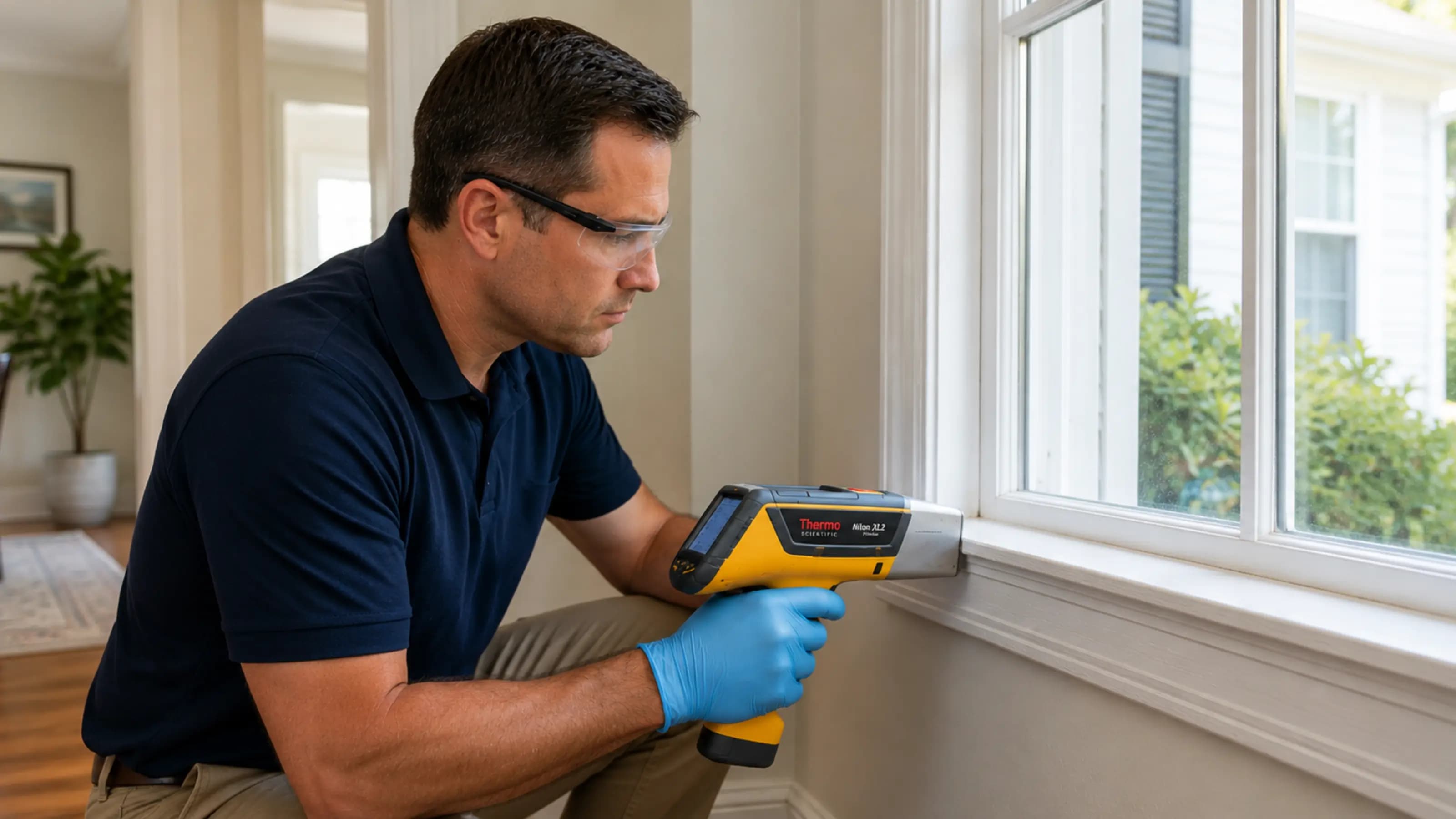
Contact Peerless Environmental directly for current scheduling availability and turnaround estimates for your specific property or project.
Residential Lead Testing
Homeowners and buyers most often encounter lead questions when planning work on homes built before 1978. Questions can also arise when a property inspection raises concerns about paint condition. Pre-1978 homes may contain lead paint on interior and exterior surfaces, trim, windows, and doors.
- Pre-purchase lead inspection on older homes before closing
- Kitchen and bathroom renovations disturbing wall surfaces, trim, or older tile
- Window and door replacement work on pre-1978 homes: frames and trim are high-risk
- Basement or exterior work near older painted surfaces or deteriorating paint
- Documentation for disclosure before listing a pre-1978 property for sale
- Clearance testing after abatement or renovation work to confirm the area is safe to re-occupy
Residential lead testing is appropriate any time work is planned that could disturb painted surfaces in a home with unknown or unverified lead paint history.
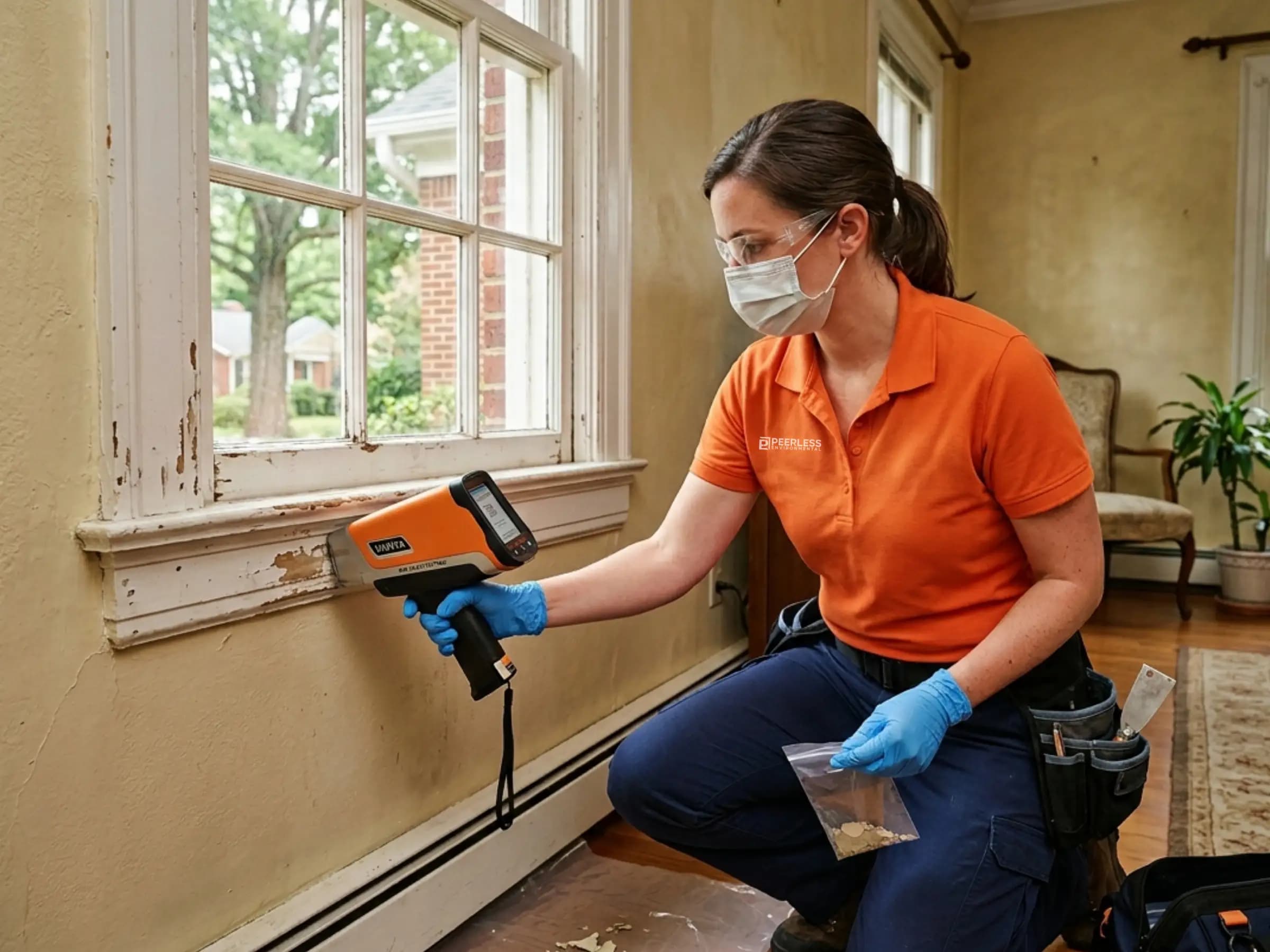
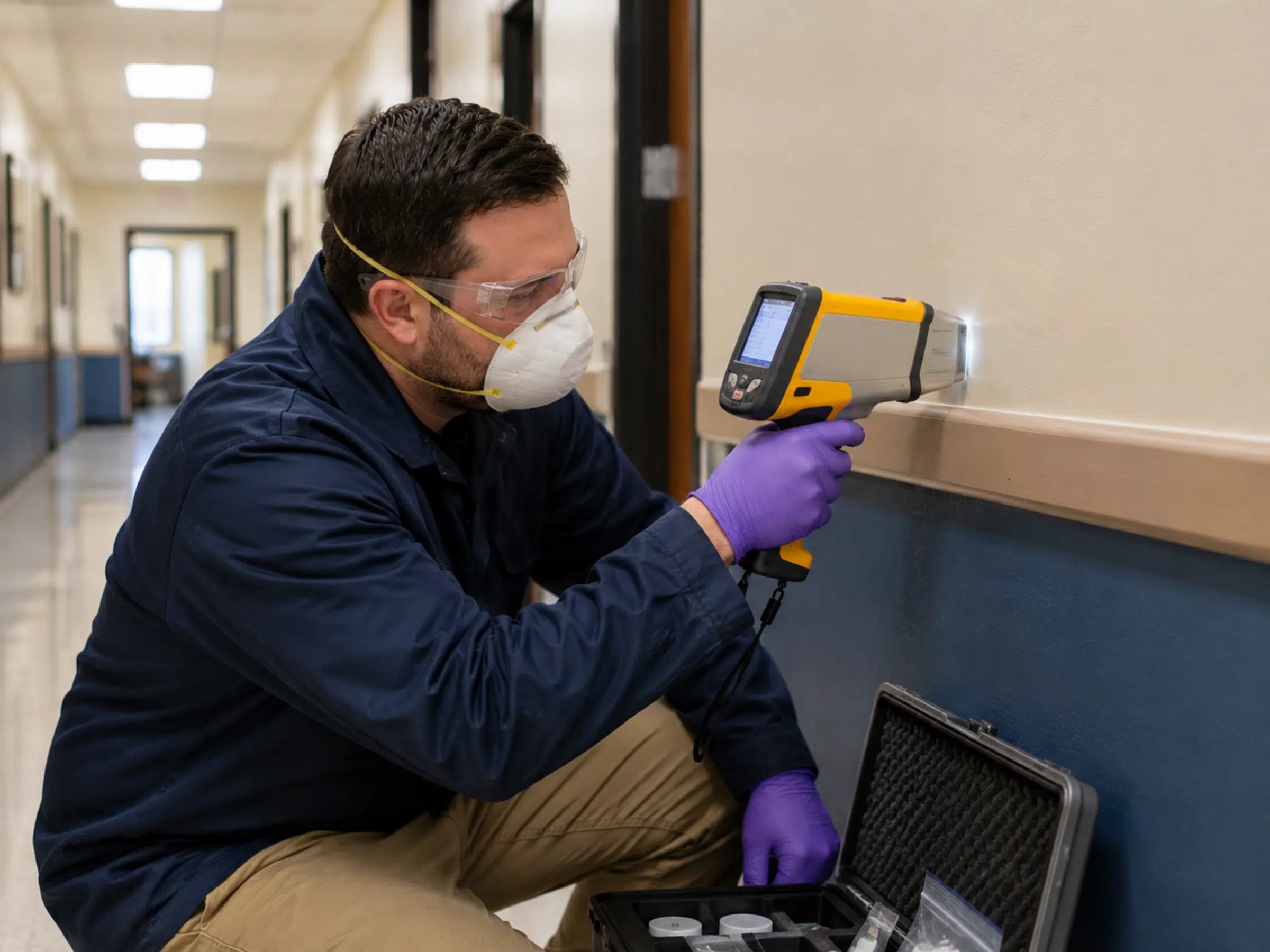
For Property Managers & Contractors
Commercial Lead Testing
Commercial buildings, multifamily properties, schools, and childcare facilities built before 1978 may contain lead paint in significant quantities across many surfaces. Pre-renovation inspections, tenant improvement projects, compliance documentation, and real estate due diligence all create testing needs.
- Pre-renovation or pre-demolition lead inspection and documentation
- Tenant improvement projects disturbing walls, ceilings, floors, or trim
- Landlord documentation and compliance review for rental properties
- School and childcare facility inspections: buildings with children require particular attention
- Commercial real estate transactions requiring environmental due diligence
- Post-work clearance testing to confirm lead-safe conditions after abatement or renovation
Commercial lead testing requirements vary depending on property type, project scope, and applicable federal, state, and local rules. Contact Peerless Environmental with your project details for guidance specific to your situation.
Common Testing Scenarios
Lead Testing for Real Estate Transactions
Lead paint questions come up regularly in the sale and purchase of pre-1978 properties. Clear, documented results before closing benefit everyone in the transaction.
For Buyers
A lead paint inspection before closing gives buyers documented information about painted surfaces before they own the property. If lead is present, that knowledge supports negotiation, renovation planning, and longer-term management decisions. Knowing before closing is better than discovering after work begins.
For Sellers
Sellers who test before listing can provide clear disclosure documentation and reduce the risk of surprise findings during the buyer's inspection period. Testing can simplify the transaction and give both parties confidence in the deal.
Federal disclosure rules require sellers of pre-1978 homes to disclose known lead hazards. Testing is not universally required by law, but documentation from a certified inspector carries more weight than informal assessments. Consult a real estate professional for guidance on your specific market.
Renovation, Contractors & Compliance
Renovation work in pre-1978 buildings can trigger lead-safe work requirements and documentation obligations. Testing helps contractors and property owners understand what they are dealing with before work begins.
Contractors & the RRP Rule
The EPA's Renovation, Repair, and Painting (RRP) Rule requires certified contractors to follow lead-safe work practices when working in pre-1978 homes, child-occupied facilities, and schools. Testing surfaces before renovation can help determine which areas trigger these requirements and what controls are needed.
Landlords & Rental Properties
Landlords renting pre-1978 properties have disclosure obligations under federal and some state rules. Lead testing provides documentation that supports disclosure requirements, tenant communication, and maintenance decision-making. Testing before renovation work or tenant turnover helps clarify risk and next steps.
Specific requirements for renovation, rental, and compliance projects vary by property type, project scope, and jurisdiction. Contact Peerless Environmental with your situation for guidance on what applies.
Lead Laws, Disclosure & Compliance
Lead paint has been subject to federal regulation for decades. Sellers, landlords, contractors, and property owners operating in certain contexts have legal obligations, from disclosure requirements to work-practice rules. Testing produces the documentation that supports those obligations.
Federal Lead Disclosure
Federal law requires sellers and landlords of pre-1978 residential properties to disclose known lead paint hazards to buyers and tenants before sale or lease. Sellers must provide buyers with a 10-day window to conduct a lead paint inspection. Professional testing produces documentation that supports accurate, defensible disclosure.
EPA disclosure guidanceEPA RRP Rule
The EPA's Renovation, Repair, and Painting (RRP) Rule requires certified contractors to follow lead-safe work practices when renovating pre-1978 homes, child-occupied facilities, and schools. These requirements apply when the work disturbs painted surfaces above certain thresholds (6 sq ft interior / 20 sq ft exterior). Testing surfaces before renovation can help determine which areas trigger these requirements and what controls are needed.
EPA RRP programHUD Lead-Safe Housing
HUD rules apply to federally assisted housing programs and require lead hazard evaluation and control in covered properties. Properties receiving HUD assistance that were built before 1978 are subject to visual assessments, paint testing, risk assessments, or a combination. The requirement depends on the type of assistance and the property. Documentation from a certified inspector is typically required.
HUD lead-safe housingState & Local Requirements
Many states and localities have lead-safe housing ordinances, landlord inspection requirements, contractor certification programs, and disclosure rules that go beyond federal minimums. Requirements vary significantly by jurisdiction, property type, and tenant situation. Contact Peerless Environmental with your situation for guidance on what applies to your property.
This section describes general federal frameworks. Specific requirements depend on property type, project scope, tenant situation, and jurisdiction. Nothing here constitutes legal advice. Consult a qualified professional for guidance specific to your situation.
Lead-Safe & Lead-Free Certificates
A lead inspection or risk assessment produces written documentation of what was found. Certificates are part of that record. Depending on the inspection type and results, that documentation may include a certificate that classifies the property or specific components according to their lead status. Understanding what each certificate means helps you communicate results to buyers, tenants, contractors, and others who need to know.
- 1
Lead-Free Certificate
Issued when tested components fall below the threshold for lead-containing paint by current regulatory definition. Documents that the tested surfaces do not contain lead-based paint. The most complete outcome from a lead paint inspection when all sampled surfaces test negative.
- 2
Lead-Safe Certificate
Issued after risk-reduction measures, interim controls or abatement, have been completed and clearance testing confirms that hazards have been addressed. Documents that the property or specific areas have been treated and meet the required post-work standard. Common in rental housing programs and post-abatement projects.
- 3
Limited Lead-Free Certificate
Issued when specific components, rather than the entire property, are tested and confirmed to contain no lead-based paint. Appropriate when only selected surfaces or rooms are included in the inspection scope, rather than all painted components throughout the building.
The certificate type appropriate for your property depends on the inspection or risk assessment performed, what was found, and what your specific purpose requires. Contact Peerless Environmental to discuss which documentation applies to your situation.
Schedule lead testing for your property.
Peerless Environmental serves homes and commercial buildings across the Southeast.
Find Your Local Peerless Environmental Team
Peerless Environmental serves property owners across key Southeast markets. Choose your area to find local service details, contact options, and next steps for asbestos, lead, and radon concerns.
South Carolina
What Backs Our Work
Every Peerless Environmental location follows the same safety-first standard, so you get clear answers no matter which local team you call.
AHERA & EPA RRP Certified
AHERA certification for school and public building asbestos inspections, and EPA RRP certification for lead-safe work practices.
Clear Reports & Documentation
Results you can understand and share with owners, buyers, managers, or regulators.
Compliant Work Methods
Procedures aligned with EPA and state environmental regulations, from site preparation through final documentation and clearance.
Local Teams, Shared Standards
Market-level response backed by the Peerless Environmental process.
What Happens If Lead Is Found
Testing gives you a clear, documented answer. What happens next depends on where lead was found, the condition of the material, and what your project or occupancy plan requires.
- No lead detected
- If results show no lead in the tested surfaces, work can proceed on those surfaces without lead-specific controls. The written report documents the finding and supports your project record or disclosure.
- Lead found, material intact and undisturbed
- If lead is confirmed but the material is in good condition and will not be disturbed, it may be managed in place. Paint that is not being cut, sanded, or removed often poses less immediate concern than material being worked on.
- Lead found, disturbance or abatement planned
- If lead-containing material is scheduled for renovation, demolition, or removal, abatement or lead-safe work practices may be required before work continues. Peerless Environmental provides abatement as a separate service. Testing does not remove or seal anything, but it tells you exactly what you are working with.
Why Property Owners Across the Southeast Choose Peerless Environmental
From older single-family homes to commercial buildings and institutional facilities, Peerless Environmental provides lead testing built around accurate results and clear documentation.
Who Handles Your Inspection
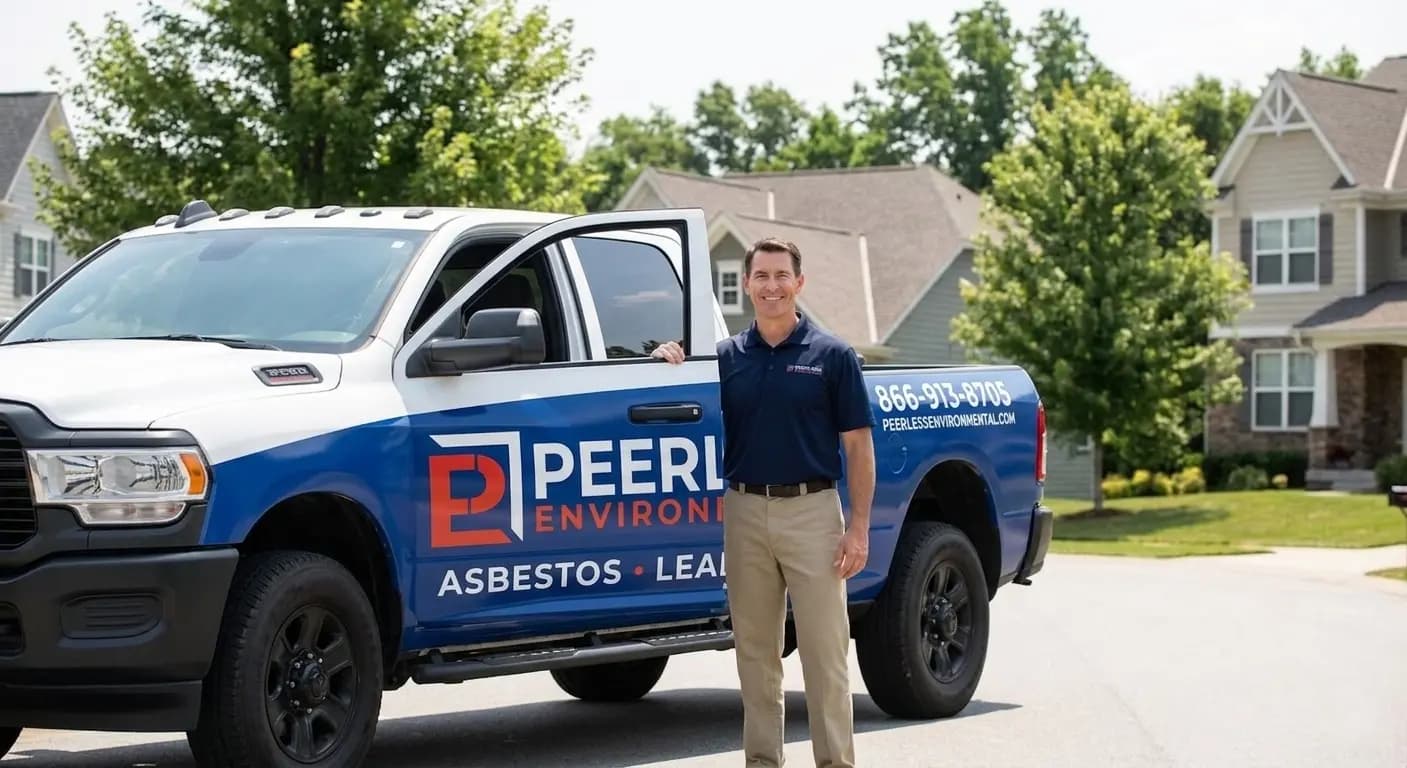
Every Peerless Environmental lead testing project is assigned to a certified inspector. That inspector conducts the site visit, performs XRF screening or coordinates sample collection, and ensures results are clearly documented.
- Certified inspector assigned to every project
- Accredited laboratory partners for sample analysis
- Written report with results and next-step guidance
Certified inspectors
Certified inspectors are trained to identify painted surfaces that need testing, select the appropriate method, and conduct testing safely with proper procedures.
XRF and lab-confirmed results
We use XRF screening for fast surface-by-surface readings and accredited laboratory analysis for confirmation where needed. This gives you results backed by the right method for your situation.
Clear written reports
Every lead testing project produces a written report identifying each surface or sample location, the method used, and the finding. The report is suitable for real estate, contractors, landlords, and compliance documentation.
Residential and commercial experience
Older homes, multifamily buildings, commercial properties, and institutional facilities each have different surface inventories and documentation needs. Certified inspectors are equipped for both residential and commercial scopes.
Regional Southeast coverage
Peerless Environmental serves properties across the Southeast. If your property sits near the edge of that footprint, reach out and we'll confirm coverage directly.
Full-service capability
If testing confirms lead-containing material that needs to be addressed, Peerless Environmental provides abatement as a separate service, so you move from diagnosis to remediation with a single team instead of a chain of contractors.
What Does Lead Testing Cost?
Lead testing costs depend on property size, number of surfaces, and the type of service: paint inspection, risk assessment, or dust-wipe sampling. Costs vary, but are predictable. Most residential properties fall within a clear range, and testing before renovation or sale can prevent significantly higher costs later.
- Property Size
- Larger homes and multi-unit buildings require more time on-site and more surfaces evaluated, which affects the overall cost.
- Type of Service
- A basic XRF paint inspection, a full lead risk assessment, and post-abatement clearance testing are different scopes with different costs. Risk assessments include more evaluation and documentation.
- Number of Surfaces
- Testing every painted surface costs more than spot-checking specific areas. The scope depends on the purpose: due diligence for a sale, pre-renovation compliance, or full risk documentation.
- Sampling and Lab Fees
- Paint chip or dust-wipe samples sent to a lab carry associated fees. XRF screening may reduce or eliminate the need for lab samples in many cases.
Contact Peerless Environmental for a quote specific to your property and situation. Pricing is straightforward. We'll tell you what the service includes before you schedule.
Common Questions
Testing Basics
How much does lead testing cost?
Lead testing costs vary based on property size, type of service (inspection, risk assessment, or clearance testing), and number of surfaces evaluated. See the cost overview on this page for the main factors that affect pricing. Contact Peerless Environmental for a quote specific to your property.
How long does a lead inspection take?
Many lead inspections can be completed in a single site visit, but timing depends on building size, number of surfaces, access, and sampling needs. XRF screening can produce fast on-site readings across many surfaces, while paint-chip or dust-wipe samples require laboratory turnaround. Contact Peerless Environmental directly to discuss current scheduling and turnaround for your project.
Do I need lead testing for a pre-1978 home?
Lead testing is worth considering for pre-1978 homes, especially before renovation, purchase, or rental. Homes built before 1978 may have been painted with lead-based paint. Testing helps confirm what surfaces contain lead before any work disturbs them. Testing also produces documentation useful for disclosure and project planning.
Is lead testing required by law?
Requirements depend on the property, the project, and the situation. Federal disclosure rules apply when selling pre-1978 homes. The EPA RRP Rule imposes lead-safe work practice requirements on renovation contractors working in pre-1978 homes, child-occupied facilities, and schools. HUD rules apply to federally assisted housing. State and local programs may have additional requirements. A professional lead inspection helps document conditions and guide the right next step for your situation.
Methods & Process
What is XRF lead testing?
XRF (X-ray fluorescence) uses a handheld instrument to screen painted surfaces for lead without removing material in most cases. The instrument reads lead concentration in the paint layer and produces results quickly. That makes it practical for inspections that cover many surfaces across a property. XRF is widely used for lead paint inspections and risk assessments.
What is lead paint testing?
Lead paint testing, also called a lead paint inspection, is a surface-by-surface evaluation of a building's painted components to determine whether lead-based paint is present. A certified inspector uses XRF screening, paint-chip sampling, or both to identify which surfaces contain lead and at what concentration. The result is a written report documenting findings surface by surface. This is the most common first step for homeowners, buyers, sellers, landlords, and contractors working in pre-1978 buildings.
Renovations & Rentals
What is the difference between lead paint testing and a lead risk assessment?
Lead paint testing identifies whether lead is present on specific surfaces or samples. A lead risk assessment goes further by evaluating hazards, exposure pathways, settled dust, soil where relevant, and recommendations for reducing risk. The right approach depends on your purpose: pre-renovation screening, compliance documentation, or a more comprehensive hazard evaluation.
What happens if lead is found?
The next step depends on where lead was found, the material's condition, and what your project or occupancy plan requires. Lead-containing paint that is intact and not scheduled for disturbance may be managed in place. Material in the path of renovation or that is deteriorating may require abatement or lead-safe work practices before work continues. The written report explains findings and what options apply.
Can I use a DIY lead test kit instead?
DIY lead test swabs can provide limited screening. But they may not offer the documentation, surface-by-surface evaluation, lab confirmation, or professional interpretation needed for real estate transactions, rental compliance, renovation planning, or regulatory purposes. For decisions that require documentation or professional results, professional testing is the appropriate choice.
What is lead dust-wipe sampling?
Dust-wipe sampling collects settled dust from floors, window sills, and other surfaces using specially prepared wipes. The samples are sent to an accredited laboratory to determine whether lead dust may be present at levels of concern. Dust-wipe sampling is commonly used after renovation, abatement, or in buildings where high-friction surfaces have worn or deteriorating paint.
Results & Next Steps
Do you test for lead before renovation?
Yes. Lead testing before renovation helps identify painted surfaces that contain lead before work disturbs old coatings. This is especially important in pre-1978 buildings and in projects that may trigger the EPA's RRP lead-safe work requirements. Testing before renovation gives contractors and property owners a clear picture of what they are working with.
Do landlords need lead testing?
Landlords may need lead testing or documentation depending on the property age, tenant situation, planned maintenance, and local requirements. Federal disclosure rules apply when renting pre-1978 residential properties. Testing helps landlords clarify risk, fulfill disclosure obligations, and document conditions before renovation or tenant turnover. Contact Peerless Environmental with your rental property details for guidance.
Know what is on your walls before work begins.
Request lead testing from Peerless Environmental. We serve homes and commercial buildings across the Southeast.
Each Peerless Environmental location is independently owned and operated. Services, availability, and certifications may vary by location.