
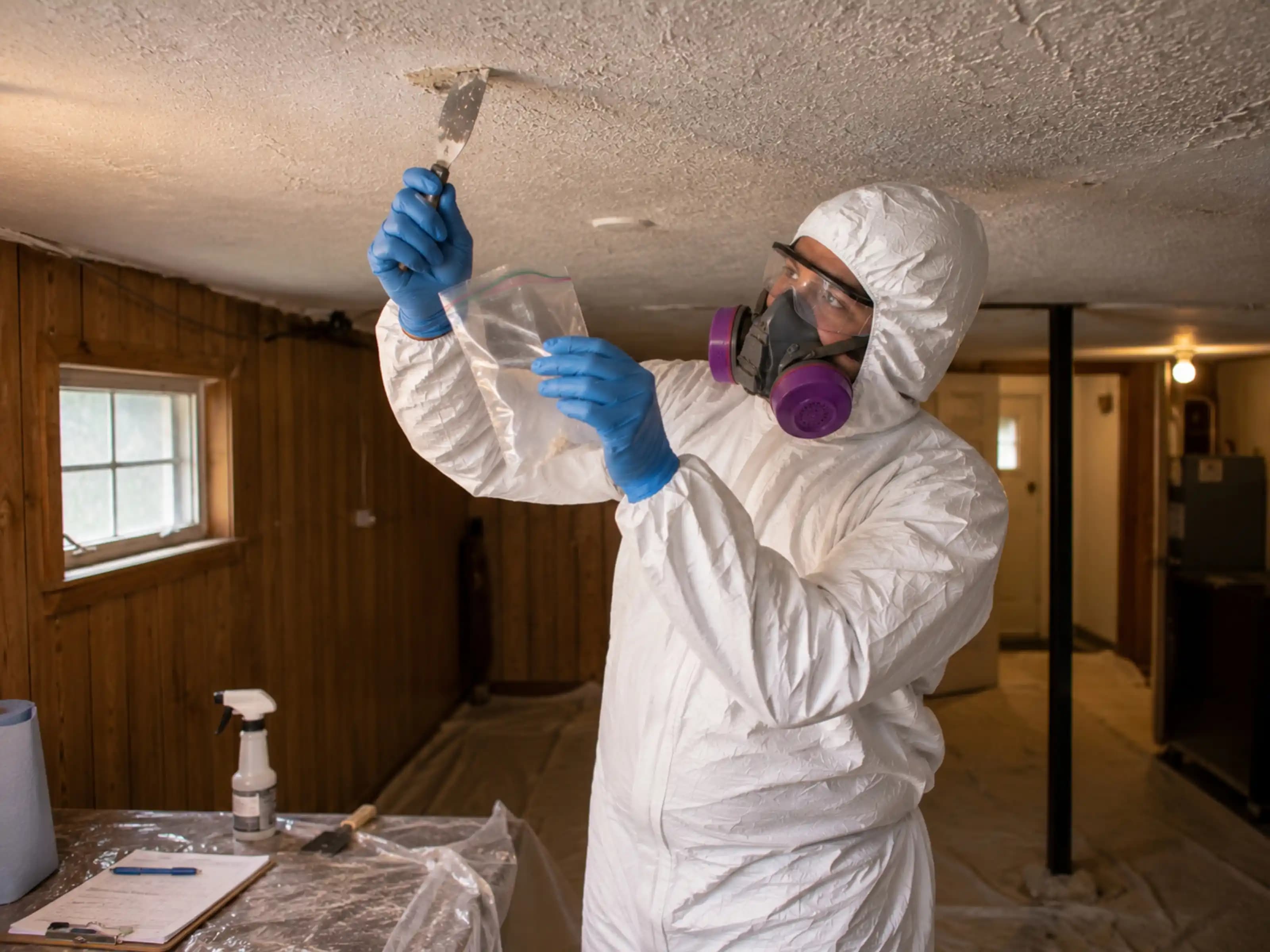
Asbestos Testing Services
Test suspect materials before you disturb them. Get lab-confirmed answers before renovation, demolition, sale, or any work that could release asbestos fibers.
- Certified inspectors
- Accredited lab analysis
- Written lab reports
- Residential & commercial
- Licensed inspection process
- Clear lab documentation
- Residential and commercial testing
- Guidance through results
Find Your Starting Point
Why Testing Matters Before Disturbance
Asbestos-containing materials were used throughout the building industry for much of the twentieth century. When those materials are in good condition and left undisturbed, the fibers they may contain typically stay in place. The risk begins when materials are cut, drilled, sanded, or demolished. That releases fibers that are invisible to the eye and impossible to detect without laboratory analysis.
- You cannot confirm asbestos by appearance. Asbestos fibers are microscopic. Many asbestos-containing materials look identical to materials that contain none.
- Disturbance is the key risk factor. Materials in stable condition often pose less immediate concern than those being cut, sanded, or demolished.
- Testing gives you a clear answer. That answer shapes every decision that follows: whether to proceed, what controls are needed, and whether abatement is required before work continues.
Do not disturb suspect materials until tested
Avoid cutting, drilling, sanding, scraping, or removing any suspect material before lab results confirm what it is. If materials are later found to have been disturbed without prior testing, liability and remediation costs typically fall on the property owner. Documentation protects you.
When Asbestos Testing Is Needed
Asbestos testing is needed any time a material in an older building may contain asbestos. Testing applies when that material could be disturbed, renovated, or evaluated for a property transaction. There is no reliable way to confirm the presence or absence of asbestos without laboratory analysis of a physical sample.
- Before a home renovation, remodel, or addition
- Before demolition or significant structural work
- During a pre-sale inspection or real estate due diligence process
- When flooring, ceiling texture, insulation, or pipe wrap is in deteriorating condition
- Before contractor work that will disturb walls, ceilings, or mechanical systems
- When an older building's material history is unknown or undocumented
- After water damage, fire, or storm activity that may have disturbed older building materials
Materials That May Contain Asbestos
Asbestos was mixed into hundreds of building products. Not all of them are obvious. The materials below are among the most common testing candidates in older homes and commercial buildings. Age, product type, and condition can raise suspicion. But only lab analysis confirms whether asbestos is present. If you do not see your specific material listed here, contact us. We can assess whether it is a candidate for testing. Not all materials need immediate testing. If work is not planned in a given area, testing can wait. Start with the materials in the zones you plan to disturb first.
- Floor tiles and mastic adhesive
- Vinyl floor tiles and the black mastic adhesive beneath them are among the most common asbestos sources in older construction. Both should be tested before removal.
- Pipe and duct insulation
- Pipe wrap and HVAC ductwork in pre-1980s buildings may contain asbestos. Friable insulation is a particular concern when disturbed.
- Popcorn and textured ceiling coatings
- Spray-applied ceiling texture was frequently manufactured with asbestos. Test before any scraping, sanding, or removal.
- Drywall joint compound
- Older joint compound may contain asbestos. Sanding (even a small patch) can release fibers if it is present.
- Roofing and siding materials
- Asbestos cement was used in roofing shingles, siding, and corrugated sheeting. Intact material poses different considerations than material being demolished.
- Attic and wall insulation
- Loose-fill insulation, particularly vermiculite, may be contaminated with asbestos and should be evaluated before any disturbance.
- Plaster and building board
- Older plaster and certain building board products may contain asbestos as a reinforcing fiber. Cutting or removal should follow testing.
- HVAC and mechanical components
- Duct wrap, pipe lagging, boiler insulation, and gasket materials in older mechanical systems are common candidates for testing.
Testing a popcorn ceiling? See our popcorn ceiling asbestos testing guide →
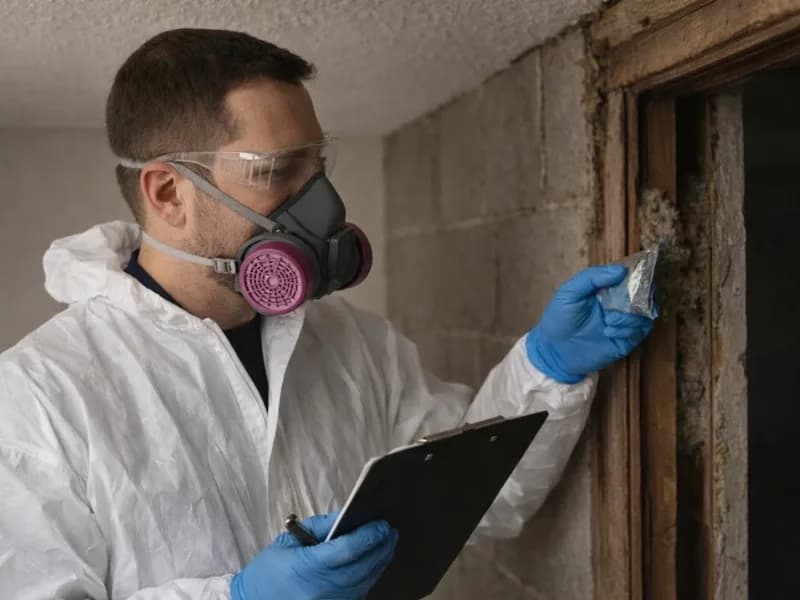
The Asbestos Testing Process
Here is what happens from your initial call through written lab results.
- 1
Initial consultation
We discuss your property, the project you have planned, and the materials you are concerned about. This helps us understand the scope before the site visit. It also ensures the inspection is focused on the right areas.
- 2
Site inspection
A trained inspector reviews the building and identifies suspect materials. The inspector then determines which areas and materials should be sampled based on age, condition, and planned disturbance.
- 3
Sample collection
1 to several hours on siteSmall physical samples are collected from suspect materials following established protocols. The inspector uses protective equipment and proper containment to prevent fiber release during sampling.
- 4
Laboratory analysis
Varies by lab; rush options often availableSamples are sent to an accredited laboratory. Analysis typically uses polarized light microscopy (PLM) or, when finer resolution is needed, transmission electron microscopy (TEM) to identify and quantify asbestos fibers.
- 5
Results and next steps
Delivered after lab results are returnedYou receive a written report documenting each sample location, the material sampled, and the lab result, with professional interpretation of what it means for your planned work. This is the document your contractor, real estate agent, or insurer will ask for.
Every project is different. Reach out directly and we will give you a realistic timeline for your scope and current scheduling.
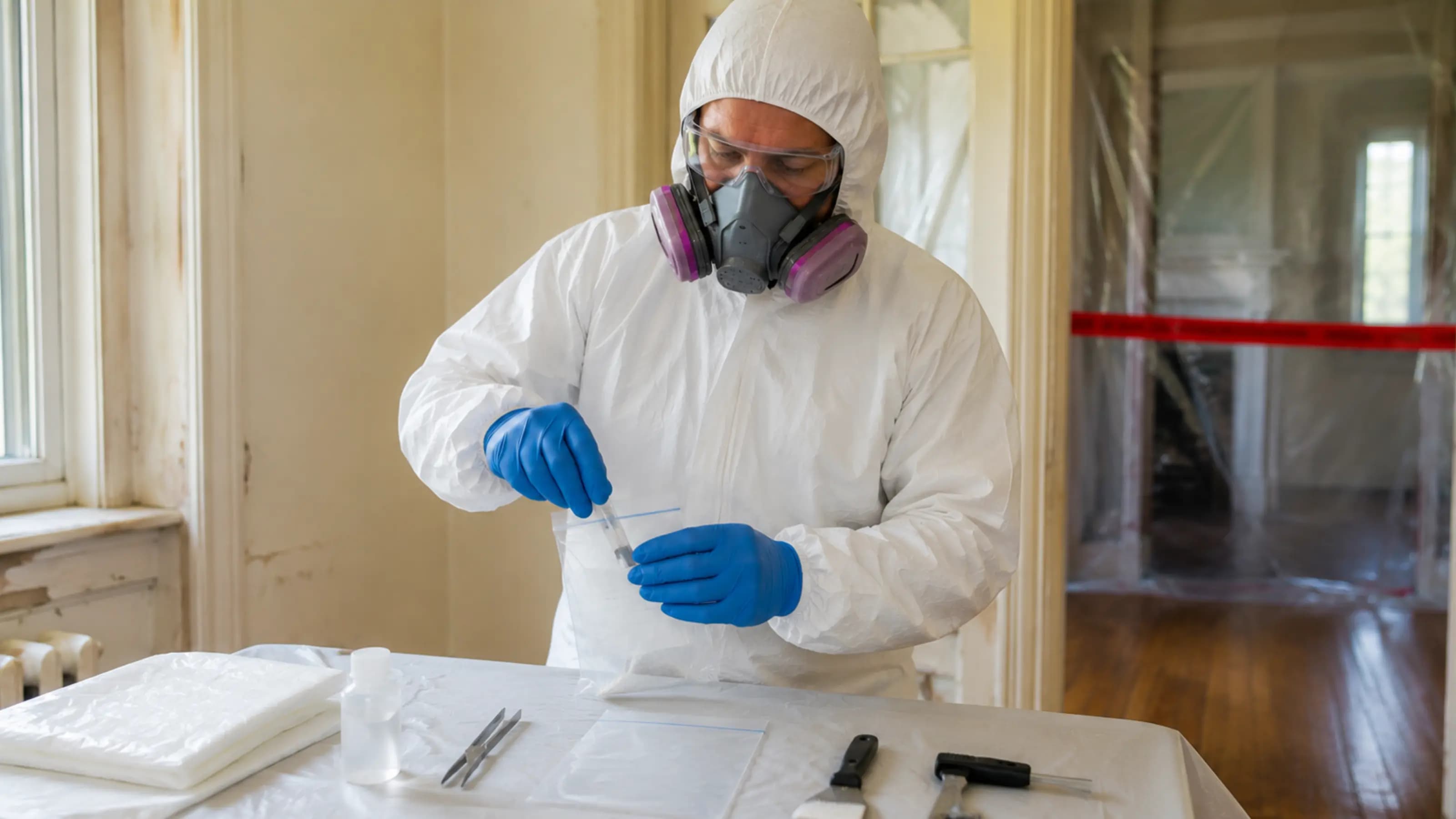
Professional Asbestos Testing vs. DIY Test Kits
DIY test kits are cheaper upfront and faster to start. But the differences between kit results and professional results matter in practice. Both professional sampling and mail-in kits use PLM (polarized light microscopy) for lab analysis. The method is the same. The difference is sample quality, collection technique, and chain of custody. Flawed collection produces misleading results even with accurate lab analysis. Here is what separates them.
DIY Test Kits
- Sampling requires disturbing the material before the result is known, which carries risk if asbestos is present
- No professional guidance on which materials to prioritize or how to sample safely
- Results typically lack the documentation required for real estate, contractor use, or regulatory purposes
- Sampling errors are difficult to detect. Cutting material at the wrong angle can crush fibers. Collecting from the wrong depth or mixing materials produces unrepresentative results. Contamination from dust, hands, or tools reduces accuracy. None of these errors are visible in the final lab report
Professional Testing
- Trained inspector identifies which materials should be sampled and how
- Controlled sample collection prevents fiber release during sampling
- Accredited laboratory analysis under chain-of-custody protocols
- Written report suitable for real estate transactions, contractor use, and project documentation
- Written interpretation of results: what each finding means for your planned work, whether materials can remain in place, and what is required before work continues. Plus contractor-ready documentation and next-step coordination if abatement is needed
Professional reports satisfy real estate, contractor, and regulatory requirements. DIY kit results are typically not accepted in these contexts.
Residential Asbestos Testing
Homeowners and buyers encounter asbestos questions most often when planning renovation or remodel work on properties built before the 1980s. Questions also come up when a home inspection raises concerns. The list of materials that may require testing in an older home is longer than most expect.
- Pre-purchase inspections on older homes, confirming what is present before closing
- Bathroom or kitchen renovations disturbing floor tile, wall tile, or plaster
- Basement work near pipe insulation, boiler wrap, or older ductwork
- Attic projects that could disturb older blown-in insulation
- Popcorn ceiling removal in homes built before 1980
- Water or storm damage that has disturbed materials of unknown composition
Residential testing is appropriate for any home where the material history is uncertain and work is planned that would disturb those materials.
How to recognize asbestos-risk materials in your home →
Schedule a Pre-Purchase Inspection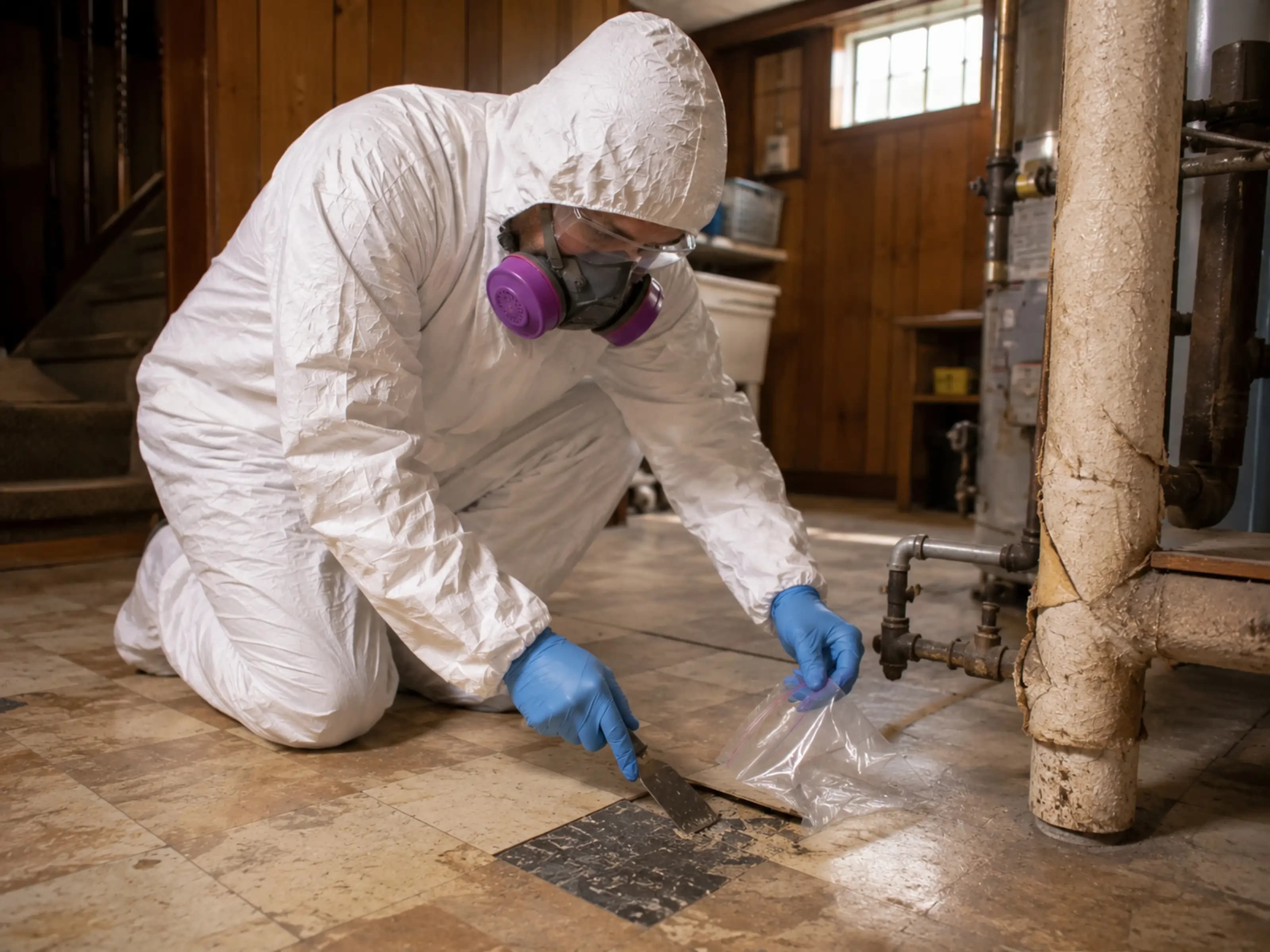
Commercial Asbestos Testing
Commercial properties built before the 1980s may contain asbestos in more locations and in greater quantities than residential buildings. Maintenance cycles, tenant improvements, major capital projects, and pre-sale due diligence all create testing needs.
Commercial projects may have specific documentation or inspection requirements depending on project scope, building type, and applicable regulations. Requirements vary by jurisdiction.
Discuss Your Portfolio- Pre-renovation or pre-demolition inspection and documentation
- Tenant improvement projects that disturb ceilings, flooring, or mechanical spaces
- Maintenance work involving HVAC components, pipe insulation, or boiler rooms
- Commercial real estate transactions requiring environmental due diligence
- Institutional buildings including schools, hospitals, and government facilities with older material inventories
- Pre-work and post-event documentation for insurance carriers and risk managers. This includes routine maintenance (HVAC, plumbing, mechanical repair) that may disturb materials, and emergency response after fire, water, or storm events
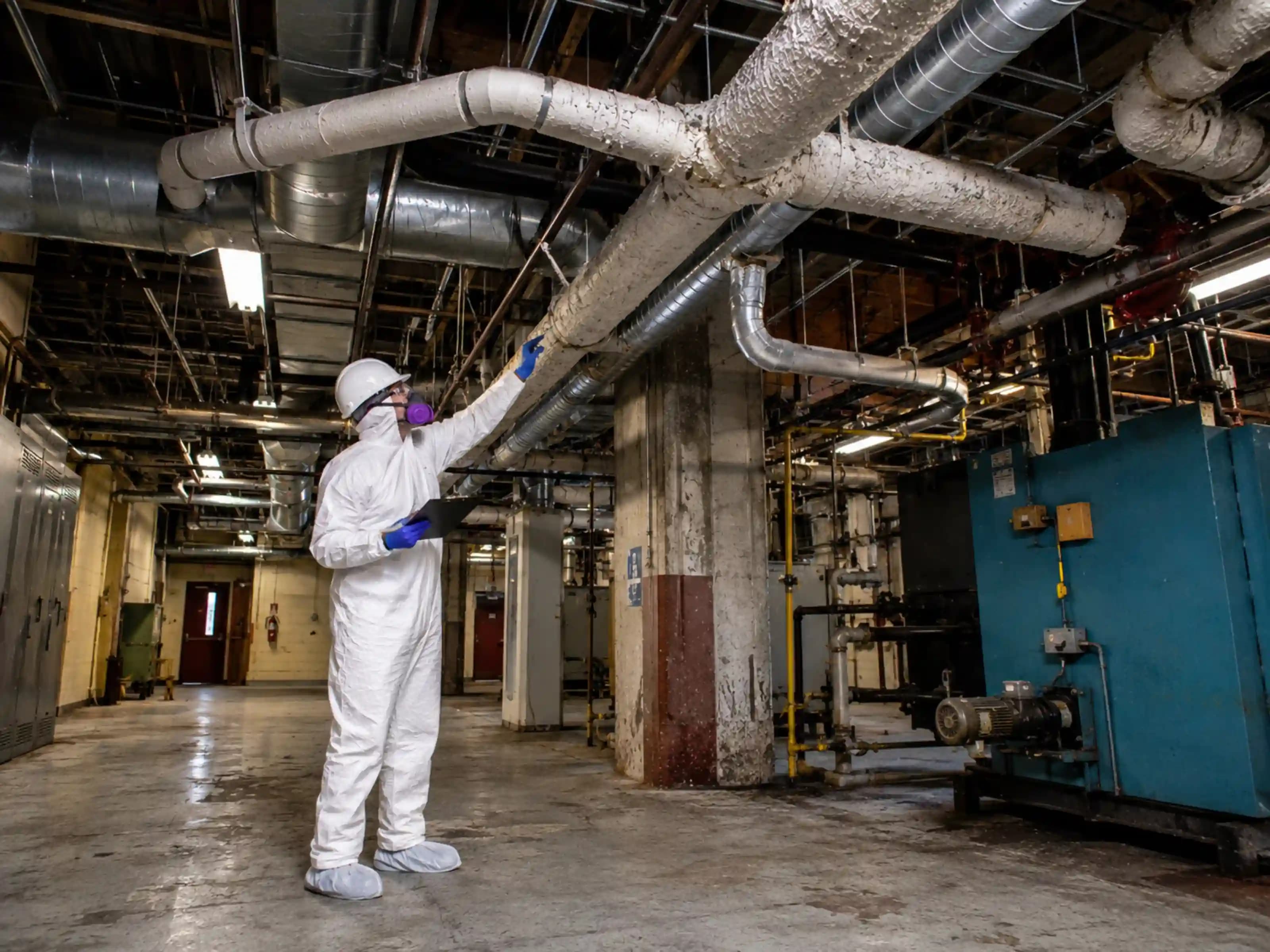
Asbestos Testing for Real Estate Transactions
Asbestos questions come up in residential and commercial real estate transactions when a property is older and its material history is unclear. If you are working against a closing deadline, contact Peerless Environmental directly. Turnaround can often be coordinated to fit transaction timelines. Both sides of a transaction benefit from accurate, documented answers before closing.
Asbestos documentation from an accredited laboratory carries more weight in real estate transactions than informal assessments. Contact Peerless Environmental to discuss testing options for your property. For transactions with closing deadlines, contact us directly to discuss scheduling and turnaround.
Contact us about your closing timelineFor Buyers
A pre-purchase asbestos inspection on an older property gives buyers clear information before closing. If asbestos-containing materials are present, that knowledge shapes repair negotiations, cost projections, and long-term management decisions. Knowing before you close is better than discovering after renovation begins.
For Sellers
Sellers who test before listing can address concerns proactively. They can provide documentation that supports their disclosures and reduce the risk of surprise findings during the buyer's inspection period. Clear test results can simplify the transaction for both parties.
Renovation and Demolition Testing
Renovation and demolition are the two most common triggers for asbestos testing. Both disturb building materials. The difference is scale and specificity.
Renovation and demolition requirements vary by project scope, building type, and jurisdiction. Contact Peerless Environmental with your project details and we will walk you through what applies and what testing is needed.
Schedule Pre-Work TestingBefore Renovation
Renovation disturbs materials selectively: a floor is pulled up, a ceiling is scraped, a wall is opened. That selective disturbance still releases fibers from materials that contain asbestos. Testing the specific materials scheduled for disturbance gives the contractor and property owner a clear picture before work begins.
Before Demolition
Demolition can disturb many building materials at once: walls, ceilings, floors, and mechanical systems all at the same time. For commercial buildings, regulated structures, or projects involving significant structural work, asbestos inspection and documentation may be required before demolition begins. Testing helps identify suspect materials before they are broken apart.
What Affects Asbestos Testing Cost
Asbestos testing pricing depends on the property and how much needs to be sampled. It is not a flat rate. Pricing is tied to the scope of the inspection Peerless arranges and the number of samples sent to the accredited lab. The most accurate figure comes from a quote based on your specific property.
- Property type and size
- A single condo or room is a different scope than a whole house, a multi-unit building, or a commercial property. More area to assess means more time and, often, more samples.
- Number of samples collected
- Each suspect material sampled during the inspection is analyzed separately by the accredited lab. Projects that disturb several material types (flooring, insulation, drywall compound, siding) involve more samples than a single-material check.
- Materials and areas being tested
- Hard-to-access areas and friable materials that require careful collection can affect the scope of the inspection Peerless arranges.
- Turnaround time
- Standard lab analysis is returned within a few business days. Expedited turnaround for a closing or renovation deadline may affect cost.
- Documentation needs
- A written report for a real estate transaction, contractor scope, or regulatory file is part of professional testing. Broader documentation requirements can affect scope.
A published range is useful for budgeting, but it will not match a specific property. Pricing depends on what is being tested, how many samples are collected, and your documentation needs. Our asbestos removal cost calculator shows the national averages so you can plan; a quote gives you the accurate figure.
Why Property Owners Across the Southeast Choose Peerless Environmental
From older single-family homes to large commercial properties, Peerless Environmental provides asbestos testing built around accurate lab results and written documentation. That documentation satisfies real estate transactions, contractor requirements, and regulatory compliance.
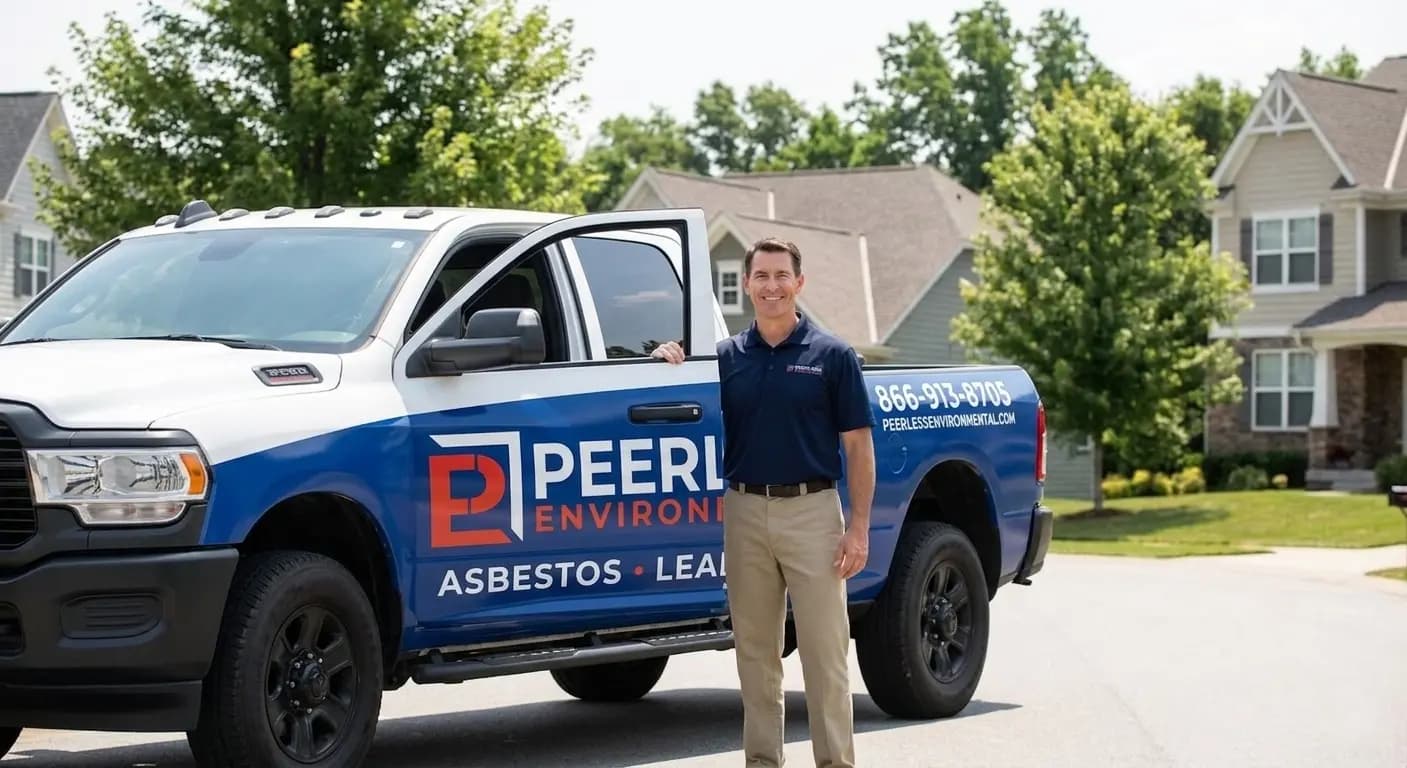
Who Handles Your Inspection
Peerless Environmental provides asbestos testing as a service. A licensed, AHERA certified inspector performs the inspection. The inspector conducts the site visit and collects samples under proper containment, and those samples go to an accredited laboratory for analysis. Peerless arranges the inspection, tracks it through the lab, and delivers the documented result.
- Licensed third-party inspector on every project
- Accredited laboratory partners for sample analysis
- Written report with results and next-step guidance
“The pre-renovation asbestos survey came back quickly and the documentation was exactly what our contractor needed to move forward safely.”
Reviews reflect Peerless Environmental customers across the markets we serve. Individual results and project details vary. Read our testimonial disclaimer.
Licensed inspectors, scheduled for you
AHERA certified, licensed inspectors carry out the physical inspection and sample collection. They identify suspect materials, determine what should be sampled, and collect samples safely using proper containment procedures.
Accredited laboratory analysis
All samples are analyzed at NVLAP and AIHA accredited laboratories using recognized methods (PLM or TEM) with written chain-of-custody documentation throughout.
Clear written reports
Every project produces a written report identifying each sample, its location, the material type, and the laboratory result. The report suits real estate transactions, contractor handoff, insurance carrier documentation, and regulatory file management.
Residential and commercial experience
Older homes, commercial buildings, institutional facilities, and mixed-use properties each have different material inventories, scales, and documentation requirements. The certified inspectors involved in each project have experience across residential and commercial scopes.
Regional Southeast coverage
Peerless Environmental serves properties across the Southeast. Not sure your building falls within range? Contact us and we'll confirm before you schedule.
Testing and abatement under one roof
If testing confirms asbestos-containing material that needs to be addressed, Peerless Environmental provides abatement as a separate service, keeping identification and removal with one accountable team rather than handing you off.
Find Your Local Peerless Environmental Team
Peerless Environmental serves property owners across key Southeast markets. Choose your area to find local service details, contact options, and next steps for asbestos, lead, and radon concerns.
South Carolina
What Happens After Test Results
Testing gives you a clear answer. What happens next depends on what was found and what the material's role is in your project.
No asbestos detected
If lab results show no asbestos in the tested materials, work can proceed on those materials. The written report documents the finding and supports your project record.
Asbestos detected, material undisturbed
If asbestos is confirmed but the material is in good condition and will not be disturbed, it can remain in place. This typically means documenting its location, keeping future contractors informed, and scheduling periodic condition checks. If you eventually plan renovation work near this material, contact Peerless Environmental before that work begins. For real estate transactions: material found to be in good, undisturbed condition does not automatically block closing. But results should be shared with your lender and real estate agent to confirm any transaction-specific requirements.
Contact us when plans changeAsbestos detected, disturbance planned
If confirmed asbestos-containing material is in the path of renovation or demolition, abatement is typically required before work continues. That abatement means controlled encapsulation or removal by a licensed contractor. Testing does not remove or seal anything. It gives you the information to decide what comes next. If abatement is the next step, Peerless Environmental provides licensed removal services. Contact us to discuss.
Learn about asbestos removal
Common Asbestos Testing Questions
Testing Basics
When do I need asbestos testing?
You need asbestos testing when a material may contain asbestos and could be disturbed by repair, renovation, demolition, or damage. Testing is also appropriate during real estate due diligence and commercial project planning. Older flooring, ceiling texture, insulation, pipe wrap, siding, roofing, and drywall materials are all common candidates. The safest step is to test before work continues.
What materials should be tested for asbestos?
Materials that may need testing include vinyl floor tile and black mastic, linoleum backing, popcorn ceiling texture, drywall joint compound, plaster, attic or wall insulation, pipe insulation, duct wrap, roofing shingles, siding, and other older building products. The specific materials depend on the property's age, condition, and planned work. A visual review can identify suspect materials. But lab analysis is what confirms whether asbestos is present.
Can you tell if a material contains asbestos by looking at it?
No. Asbestos fibers are microscopic and cannot be confirmed by appearance alone. Many asbestos-containing materials look identical to materials that contain none. Age and product type can raise suspicion. But only lab analysis of a physical sample gives a reliable answer. Avoid cutting, sanding, scraping, drilling, or removing suspect material until you know what it is.
How does asbestos testing work?
Professional asbestos testing starts with a review of your property and the materials you are concerned about. If sampling is needed, a trained inspector collects representative samples with proper controls and sends them to an accredited laboratory. The lab analyzes each sample for asbestos and returns written results. After results come back, the next step depends on the material, its condition, and your project plan.
Before Work Begins
Is asbestos testing needed before renovation?
Testing is often the right step before renovation when older materials may be cut, sanded, removed, or otherwise disturbed. Renovation can release fibers from materials that were stable before work began. Testing helps the property owner and contractor understand what they are dealing with before the project moves forward.
Is asbestos testing needed before demolition?
Testing may be needed before demolition because demolition can disturb many building materials at once. Testing helps identify suspect materials before they are broken apart. Commercial buildings and projects of a certain scope may have specific inspection or documentation requirements. Requirements vary by project type, jurisdiction, and applicable regulations.
Is asbestos testing required before selling a home?
Asbestos testing is not universally required by law before selling a home. But it is often in both parties' interest. Sellers who test before listing can provide documentation that supports their disclosures and reduces the risk of surprise findings during the buyer's inspection. Buyers may request testing as part of their due diligence. Disclosure requirements vary by state and jurisdiction. Consult a real estate professional familiar with your market for guidance on your specific situation.
Logistics
How much does asbestos testing cost?
The cost of professional asbestos testing depends on several factors. These include the number of samples collected, the size and complexity of the property, the type of laboratory analysis required, and whether rush turnaround is needed. Contact Peerless Environmental with your property details and project scope for a specific estimate.
How long does asbestos testing take?
The on-site inspection and sample collection typically takes one to several hours depending on the property's size and the number of suspect materials. Laboratory analysis turnaround varies by provider and analysis method. Rush options are often available for time-sensitive projects. Contact Peerless Environmental directly to discuss current scheduling and turnaround for your specific project.
Are Peerless's asbestos test reports accepted for real estate transactions and lender requirements?
Written reports from an accredited laboratory are the standard documentation used in real estate transactions. Peerless Environmental provides lab reports that identify each sampled material, its location, and the laboratory finding. That format is used by buyers, sellers, real estate agents, and their representatives. If you have questions about specific lender or disclosure requirements in your market, consult your real estate professional.
How many samples are needed for asbestos testing?
The number of samples depends on the number of distinct suspect materials present, their condition, and the scope of the project. A small renovation disturbing one type of material may require only a few samples. A commercial pre-demolition inspection may require significantly more. An inspector identifies which materials should be sampled based on age, type, condition, and planned disturbance. Contact Peerless Environmental with your project details to discuss what scope makes sense.
Results and Next Steps
I found suspect material and may have already touched or disturbed it. What should I do?
Stop any further disturbance immediately. Leave the area and ensure it is well-ventilated before anyone returns. Brief, accidental contact with a small amount of suspect material is not the same as sustained sanding, cutting, or demolishing it. But arrange to have the material tested before any additional work continues. Do not sand, scrape, drill, or break the material further. Contact Peerless Environmental to discuss your specific situation and schedule testing.
What happens if asbestos is found?
The next step depends on the material's condition and whether it will be disturbed. Material in good condition that will not be disturbed can remain in place. Material scheduled for demolition or renovation, or that is in deteriorating condition, typically requires abatement (encapsulation or removal by a licensed contractor) before work continues. Testing identifies what is present. It does not remove or seal anything.
Is asbestos testing the same as asbestos abatement?
No. Testing identifies whether asbestos is present in a material. Abatement (encapsulation or controlled removal) is a separate service that may be needed after testing confirms asbestos in material scheduled for disturbance. Testing does not involve removing, sealing, or treating any material. If abatement is needed, Peerless Environmental provides that as a separate service.
Can I collect the samples myself?
DIY sampling is not the recommended path. Disturbing suspect material without proper controls can release fibers if asbestos is present. A trained inspector knows which materials to sample, how to collect samples safely, and how to avoid cross-contamination that could affect lab accuracy. Avoid cutting, scraping, sanding, or breaking suspect material. Contact a professional for guidance before any disturbance.
What is asbestos abatement and when is it required?
Abatement is the controlled management of asbestos-containing material. It works either through encapsulation (sealing the material so fibers cannot be released) or removal (physically extracting the material under containment conditions by a licensed contractor). Abatement is typically required when asbestos-containing material is in the path of renovation or demolition, or when the material is in deteriorating condition. Testing first establishes whether abatement is needed and which materials are involved. Peerless Environmental provides licensed abatement as a separate service following testing.
Know what's in your building before work begins.
Request asbestos testing from Peerless Environmental. We serve homes and commercial buildings across the Southeast.
Each Peerless Environmental location is independently owned and operated. Services, availability, and certifications may vary by location.