
Lead Abatement for Safer Spaces
Reduce lead risks with certified removal and control methods.
Thank you for reading this post, don't forget to subscribe!How Lead Abatement Works
-
We review your testing results or inspect key areas.
-
A plan is created for removal, stabilization, or control.
-
Work zones are set up with proper containment.
-
Surfaces are treated, repaired, or replaced.
-
Cleanup and checks are done before the area is used again.
Certified Work
Performed by trained and approved lead crews.
Safe Methods
Procedures that reduce dust and spread of lead.
Clear Results
You receive records that describe the work completed.
When Lead Abatement Helps
High Lead Levels
Testing shows lead above safe limits.
Children in the Home
Young children or pregnant people spend time there.
Planned Renovations
You plan to remove or disturb old painted surfaces.
Why Clients Trust Our Lead Abatement Team
-
Licensed abatement professionals
-
Work planned to meet rules and codes
-
Clear updates before, during, and after
-
Focus on safety for people and property
Frequently Asked Lead Abatement Questions
What is lead abatement?
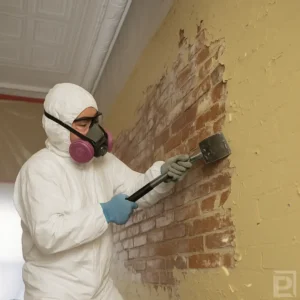
Lead abatement is work that removes or controls lead hazards to permanently eliminate lead-based paint hazards. The goal is to permanently eliminate lead-based paint hazards, such as serious permanent and irreversible health damage. Unlike temporary fixes or regular maintenance, lead abatement must be performed by educated, certified professionals with proper safety protocols to limit lead exposure.
Lead abatement involves several methods including removal (completely removing lead-based paint from surfaces), encapsulation (sealing with protective coatings), enclosure (covering with new materials), and replacement of components like doors and windows. The process helps lower exposure by treating or replacing materials that contain lead so the space is safer for people who live or work there.
How long does it take?
The time needed for lead abatement depends on how large the area is and how much work is required. Simple projects involving limited surface areas may finish within a few days, while larger jobs involving multiple rooms or extensive contamination can take several weeks to complete safely. Factors affecting timeline include the abatement method chosen, the extent of lead contamination, required containment procedures, and post-abatement clearance testing requirements.
The actual work phase represents only part of the total timeline—comprehensive projects also require inspection and risk assessment, planning and permit acquisition, containment setup, the abatement work itself, thorough cleanup, clearance testing, and final documentation. Each phase must be completed properly before moving to the next step to ensure safety and regulatory compliance.
Do all homes built before 1978 have lead paint?
Not all homes built before 1978 contain lead-based paint, but the probability is very high. The rules require that persons performing lead-based paint activities such as inspection, risk assessment, project design, or abatement in target housing (which includes most single and multifamily dwellings constructed prior to 1978) must be certified. Even buildings not originally considered “target housing” prior to 1978 become subject to lead regulations if converted to housing after that date.
While federal regulations banned lead in residential paint in 1978, the actual presence of lead-based paint depends on factors including the original paint products used, subsequent renovations, and maintenance history. Professional testing by certified inspectors is the only reliable way to determine whether your specific property contains lead-based paint hazards.
Is it safe to live in a house with lead paint?
Living in a house with lead paint can be safe if the paint is in good condition and proper precautions are maintained, but it requires ongoing vigilance and professional assessment. Lead-based paint becomes dangerous when it deteriorates, gets disturbed during renovations, or creates dust through normal wear and friction.
The safety depends largely on the paint’s condition and the presence of vulnerable occupants. Children and pregnant women face the greatest risks from even small amounts of lead exposure. For standard repair, renovation, or painting work which includes any work that would disturb 2 square feet or more of paint in a room, property owners should confirm prior to work that proper lead-safe practices will be followed.
If lead-based paint is present but intact, and you’re not planning renovations, immediate abatement may not be necessary. However, regular monitoring for deterioration, maintaining lead-safe conditions, and having professional risk assessments can help ensure ongoing safety. Any signs of peeling, chipping, or dusty paint require immediate professional attention.
How do you flush lead from your body?
Medical Disclaimer: The following information is for educational purposes only and does not constitute medical advice. Anyone concerned about lead exposure should consult with qualified healthcare professionals for proper diagnosis, treatment, and medical guidance.
Lead removal from the body typically occurs naturally over time once exposure stops, but the process is slow and depends on several factors including the amount of exposure, duration, and individual health factors. The body naturally eliminates lead primarily through urine and feces, but this process can take months to years for significant reductions.
Healthcare providers may recommend specific treatments for confirmed lead poisoning, including chelation therapy in severe cases, nutritional support with adequate calcium and iron intake, and ongoing monitoring through blood tests. Some medical professionals suggest that maintaining good nutrition with adequate vitamin C, calcium, and iron may support the body’s natural lead elimination processes.
The most important step is preventing further exposure by addressing lead sources in your environment through professional abatement. While the body can gradually reduce lead levels once exposure stops, preventing additional exposure through comprehensive lead hazard elimination provides the most effective long-term protection for your health and your family’s wellbeing.
Need Lead Abatement Support?
We help you remove or control lead in a safe, documented way.