
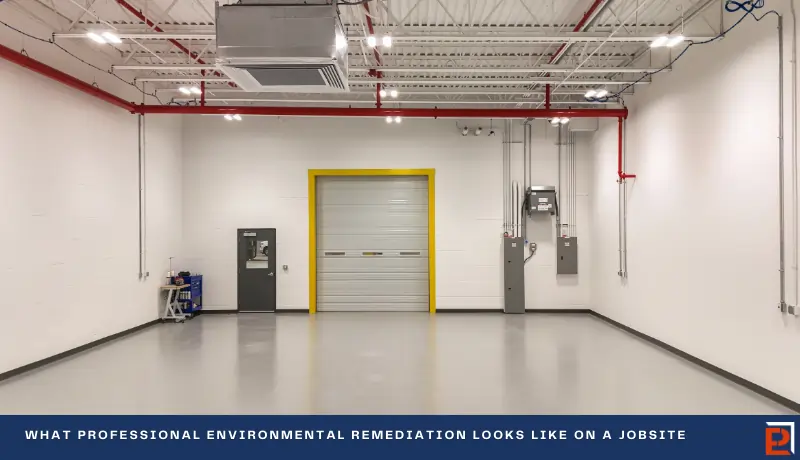
Good crews leave clues. You just need to know where to look.
Key Takeaways
-
-
Professionalism shows before remediation work begins.
Thank you for reading this post, don't forget to subscribe! -
Organized sites signal disciplined remediation crews.
-
Equipment placement reveals process and experience.
-
Clean jobsites reduce complaints and risk.
-
Visual records verify work quality remotely.
-
Calm, controlled sites indicate proper remediation.
-
Here’s the thing—most property owners never actually see the real work happening. You’re not stepping inside the containment area where they’re removing asbestos. You’re not watching them handle lead paint removal up close. You’re definitely not climbing into crawl spaces to watch radon mitigation.
But you know what you can see? Everything else.
The setup. The way they organize the site. How they handle their equipment. The way the crew acts. All of that tells you exactly what kind of operation you’re dealing with.
Professional asbestos removal doesn’t just happen behind plastic walls. The professionalism shows up in all the visible stuff—how organized the site looks, whether the equipment is well-maintained, and how smoothly things run day to day. Once you know what to look for, spotting the difference between a solid crew and a questionable one is pretty straightforward.
You Can Tell Before They Even Start
The difference between a smooth project and a difficult one usually shows up early. Like, before they even start the actual work.
Professional crews don’t just roll up with a truck full of gear. They show up with a plan. They’ve already talked to everyone who needs to know what’s happening. They’ve mapped things out. They’re ready.
When a crew gets on site and immediately starts getting organized—setting up zones, staging equipment where it makes sense, putting up clear barriers—that’s what real professionalism looks like. They’re not improvising. They’ve done this hundreds of times, and it shows.
The Site Should Look Organized
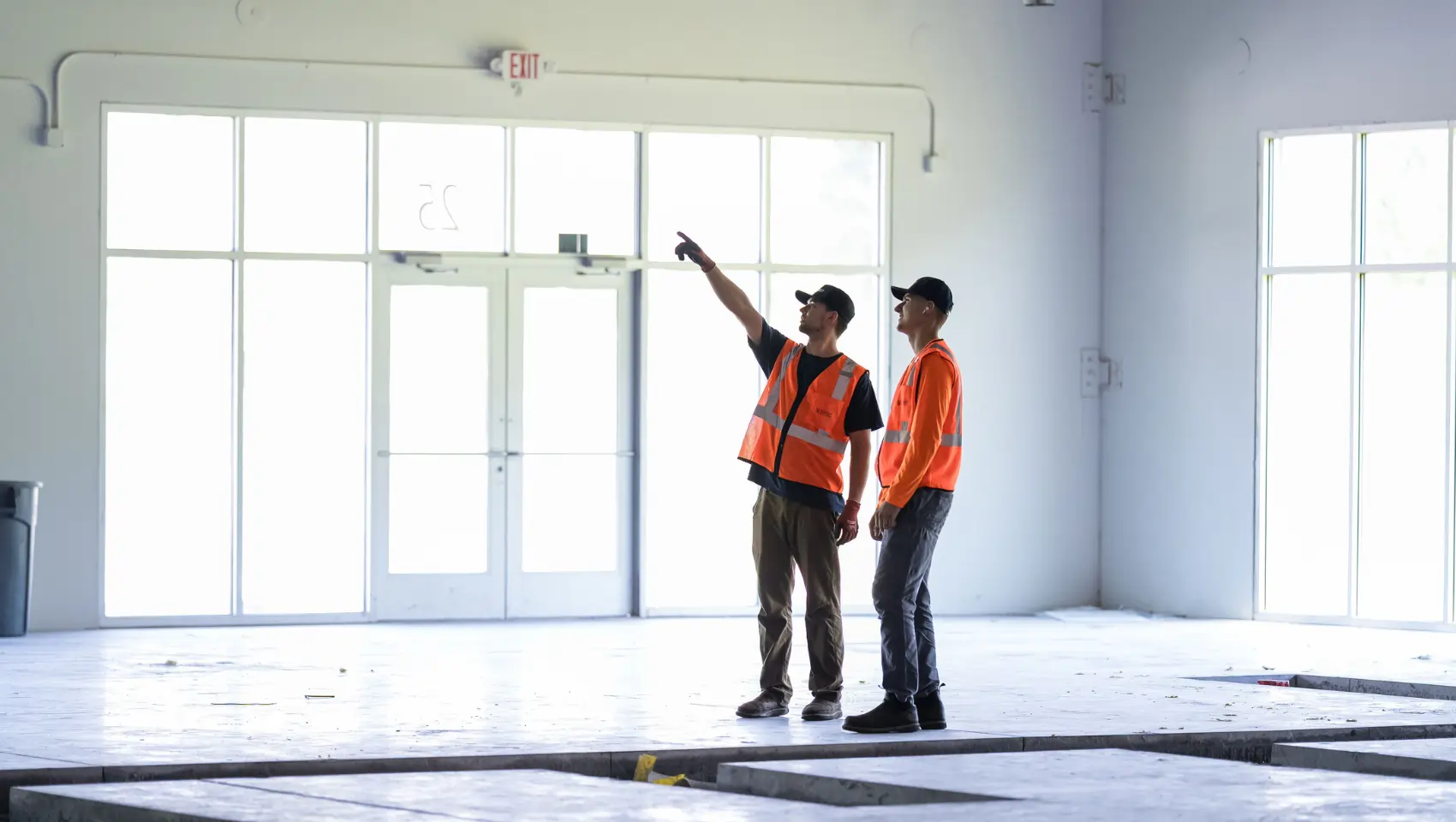
The first thing you’ll notice on a good jobsite? It just looks… organized.
Work areas are clearly marked. You shouldn’t have to guess where the work is happening and where it’s safe to be. Professional asbestos removal crews set up barriers that make sense. No confusion about what’s what.
They protect the spaces they walk through. When crews need to get through hallways or common areas, watch how they do it. Good crews put down drop cloths that actually stay put. They move equipment carefully on protected paths. They keep disruption to a minimum. It’s not about being nice—it’s about being professional.
The signs make sense. “Asbestos removal in progress. Keep out.” Simple. Clear. You know exactly what’s going on and where you shouldn’t be.
This is where documentation becomes incredibly valuable. When you need to show tenants the work was done right, visual records of a clean, organized containment setup do that instantly. Need to prove to regulators that protocols were followed? Images capture those details. A well-documented work zone tells the whole story before anyone reads a single word of your report.
Good Equipment, Used Right
Having the right equipment doesn’t mean much if you don’t know how to use it properly.
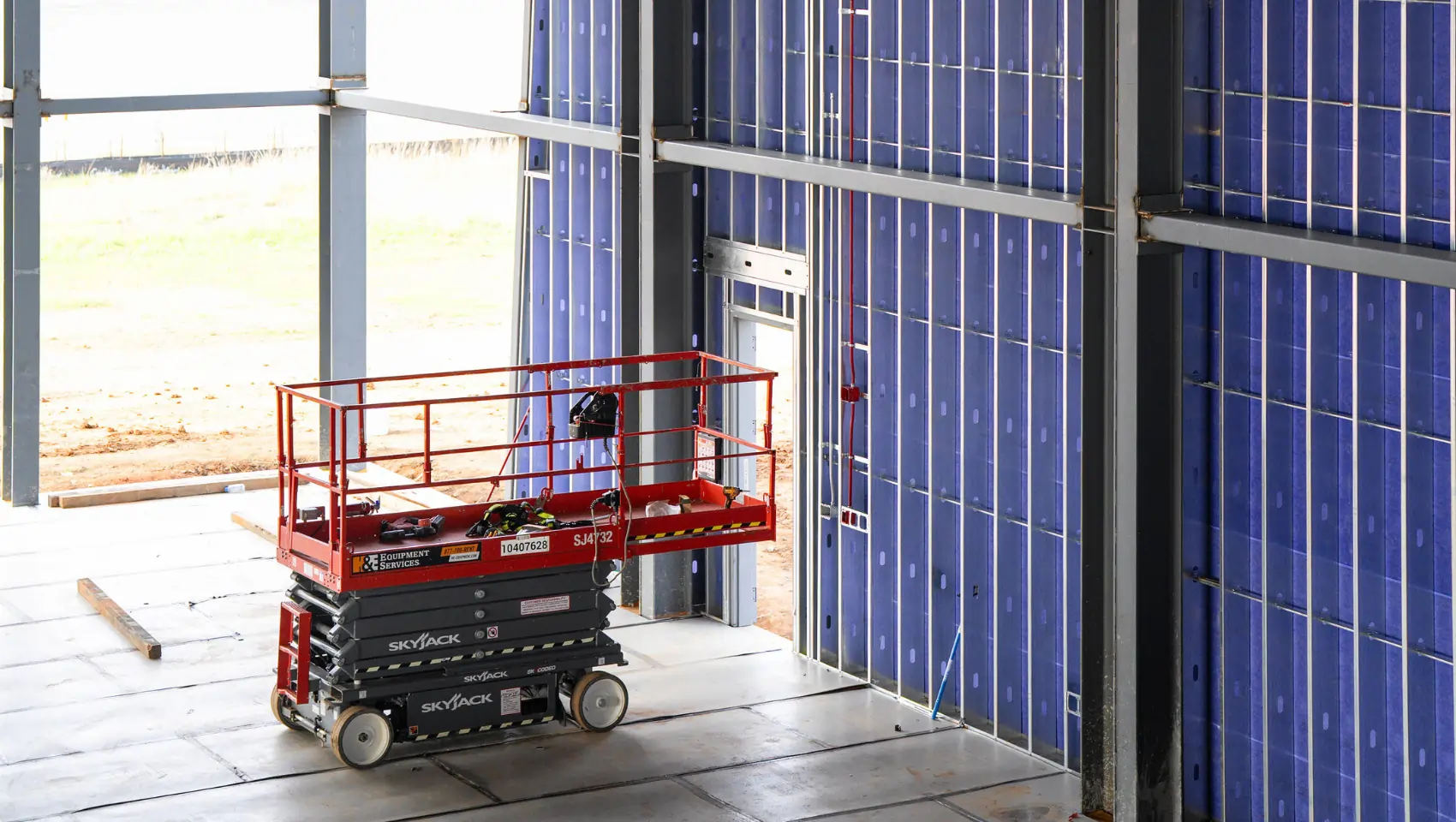
Air filtration machines need to be in the right spots. Those big negative air machines you see? They’re not random. On professional asbestos removal jobs, those machines are placed strategically to keep contaminated air flowing the right direction and getting filtered before it goes anywhere.
If you see them just sitting around with no clear plan, that’s a red flag.
Containment should look clean and tight. The plastic sheeting should be stretched properly, sealed right, and installed like someone who’s done it a thousand times. Duct tape should be straight and intentional. The important barriers—around HVAC systems, doorways, between zones—should look professional.
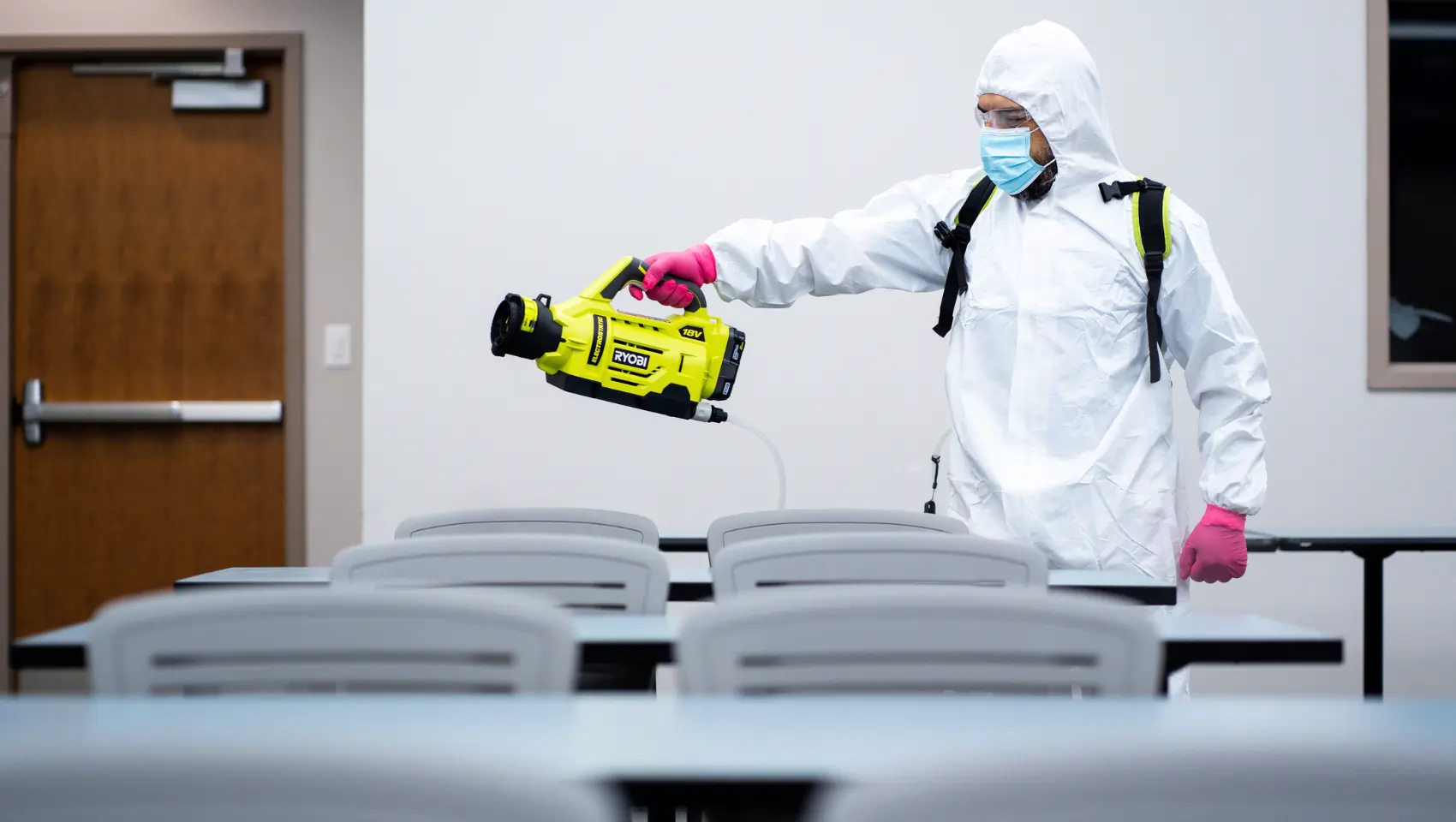
Safety gear is non-negotiable. If you see a crew in full respirators one minute and masks off the next, that’s a problem. Real professionals wear their protective equipment correctly, take care of it, and don’t cut corners. Ever.
One well-composed image of a crew in full PPE, working inside properly staged containment with equipment positioned correctly, tells a complete story about how seriously the work is being taken. This kind of documentation becomes part of how standards are enforced and communicated over time.
Professional Crews Run Controlled Jobsites
Good jobsites have a rhythm to them. Things feel predictable—in a good way.
Crews know what they’re doing. There’s no standing around looking confused. On professional lead abatement or asbestos removal projects, everyone knows their role. Setup happens in order. Work moves forward steadily. Everything gets broken down the right way.
Waste is handled carefully. Contaminated materials don’t just pile up wherever. They’re bagged properly, labeled clearly, and kept in specific areas until disposal. Professional asbestos removal isn’t just about getting the bad stuff out—it’s about controlling it every step of the way.
The work zone stays locked down. Dust escaping the work area is a failure, plain and simple. Professional crews monitor constantly, adjust as needed, and keep containment tight throughout the whole project.
Controlled jobsites stay contained from start to finish. Materials, tools, and debris remain inside the work zone where they belong, because clean perimeters signal intentional management. At the end of each day, professional crews reset the site by securing containment, organizing equipment, and clearing protected pathways. When people return the next morning, the only visible sign of work is the containment itself, not disorder spreading into shared spaces.
Visual documentation of this process—containment setup, active work phases, waste staging, final clearance—creates a record that proves the system was followed from start to finish. For property managers who need to understand what happened on their site, or for regulatory compliance, this becomes essential evidence of professional standards in practice.
Why This Actually Matters to You
If you own or manage property, environmental remediation can be stressful. Asbestos, lead, and radon aren’t small problems, and the stakes are high. You need it done right, and you need to feel confident it’s being handled professionally.
Here’s what real professionalism gets you:
Fewer complaints from tenants. When crews work clean, stay organized, and communicate clearly, tenants feel informed instead of anxious. Professionalism makes everything run smoother.
Fewer surprises. Professional companies follow clear processes. They tell you what’s happening and when. They flag problems early. There’s transparency the whole way through, so you’re not left guessing.
Fewer headaches after the fact. When work is done and documented properly, you don’t need a bunch of follow-up inspections or extra paperwork. Clearance tests come back clean. Reports are thorough. The project closes without loose ends.
More peace of mind. At the end of the day, that’s what you’re really paying for. Professional asbestos removal, lead abatement, and radon mitigation mean the hazard is gone, the space is safe, and you’ve got the proof you need.
Professionalism reduces risk. It reduces liability. And it protects everyone who lives and works in the spaces you manage.
When It Looks Right, It Usually Is
You don’t need to know every EPA rule or OSHA regulation to spot a professional operation. You just need to know what professionalism looks like in real life.
It looks like things being organized before work starts. Equipment that’s positioned with purpose. Crews that move with confidence and discipline. Waste that’s handled carefully. Spaces that are respected throughout the whole process.
And increasingly, it includes documentation of that work—not for marketing, but as verifiable proof that standards were met, procedures were followed correctly, and safety never took a back seat.
Think about it: environmental remediation work happens in spaces most people will never see. Property managers can’t be on-site 24/7. Regulators need proof after the fact. Future buyers or tenants want reassurance the work was done right.
Visual records fill that gap. The containment setup that proves planning. The crew in proper PPE that proves safety protocols. The clean transitions that prove respect for the property. The systematic waste handling that proves process discipline.
Professional asbestos removal, lead abatement, and radon mitigation aren’t just technical jobs. They’re about trust. Property owners and managers need to trust that the hazard is gone, the space is safe, and they’ve got rock-solid documentation to back it up.
When you work with a certified environmental company that operates with transparency, follows proven systems, and pays attention to the visible details, you’re not just buying compliance. You’re buying confidence.
Because when the jobsite looks right—and you have the records to prove it—the work usually is.