
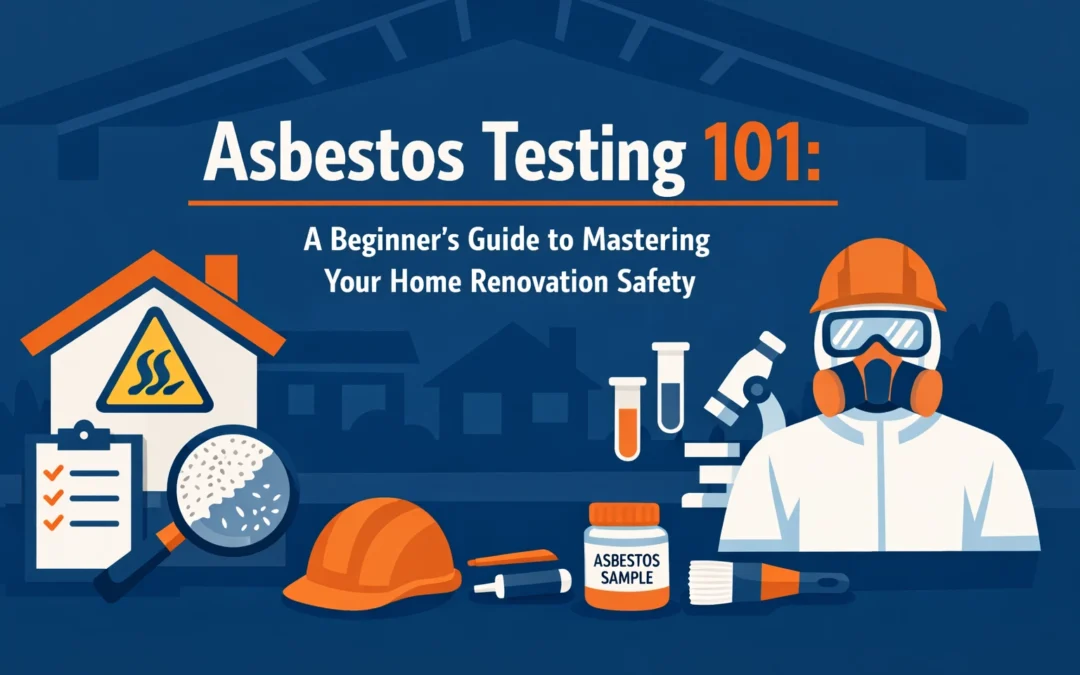
Key Takeaways
- Testing beats guessing: Asbestos cannot be confirmed by sight.
- Test before demo: Cutting, sanding, and removal drive exposure risk.
- Older homes hide it: Common spots include ceilings, flooring, insulation, and adhesives.
- Sampling matters: Controlled collection limits fiber release and cross contamination.
- Lab results guide next steps: A report shows location and action plan.
- Removal needs controls: Containment and HEPA filtration keep occupants protected.
For many homeowners in the Southeast, the dream of restoring a mid-century ranch or a historic colonial is a rite of passage. We see the potential in the “good bones,” the solid craftsmanship, and the sprawling porches. But beneath the surface of these classic homes often lies an ominous title: the “silent killer.” We are talking about asbestos: a naturally occurring mineral that was once the darling of the construction industry for its fire resistance and durability, but is now known as a potent human carcinogen. This means it is a substance that causes cancer.
Thank you for reading this post, don't forget to subscribe!If you are planning a renovation, whether it’s a kitchen overhaul in Greenville or a basement remodel in a coastal town, your first step isn’t picking out tile or paint colors. It’s ensuring that your project doesn’t disturb a sleeping giant. Mastering your home renovation safety begins with one critical process: asbestos testing.
The Invisible Threat: Why Asbestos Testing Matters
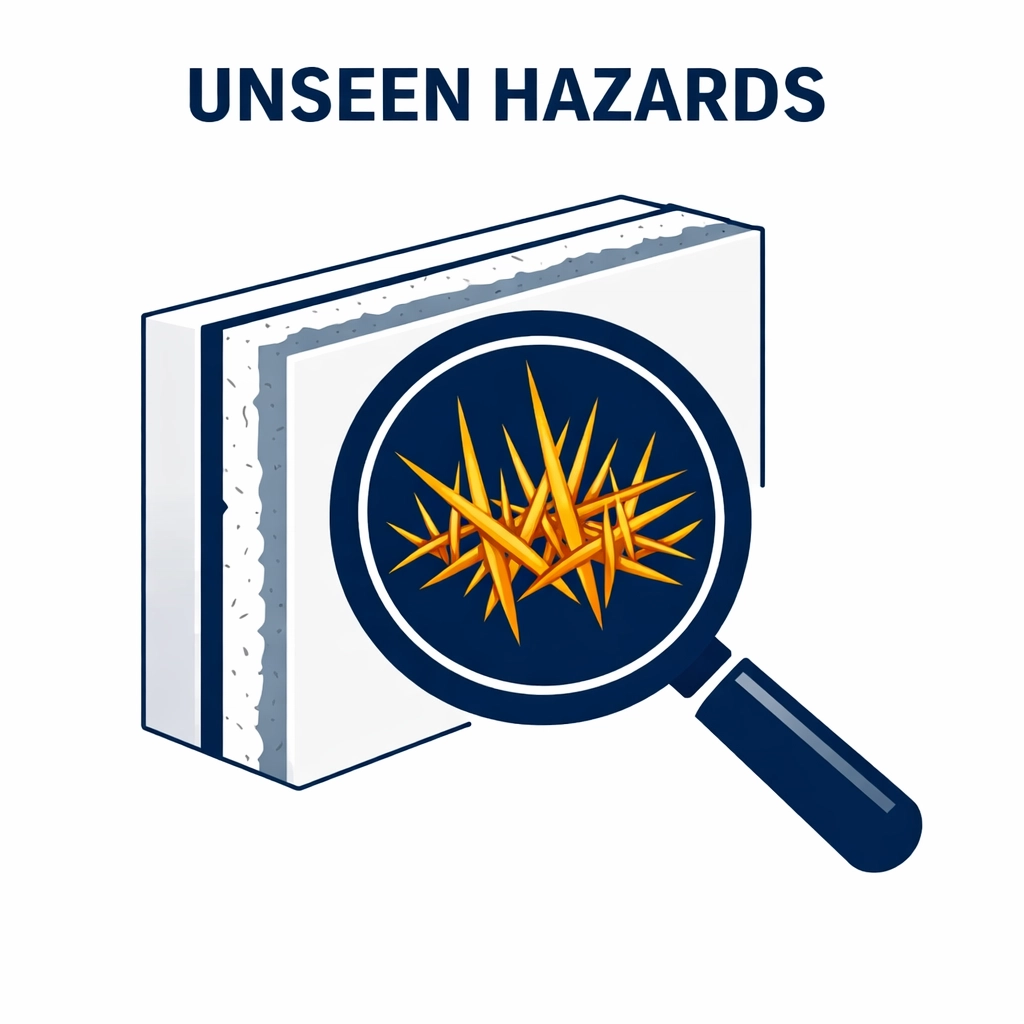
Asbestos fibers are microscopic. When materials containing asbestos are disturbed: cut, sanded, or pulled apart: they release these tiny fibers into the air. Once inhaled, they can lodge deep within the lungs, leading to devastating health issues such as asbestosis, lung cancer, and mesothelioma. The truly alarming reality is that there is no safe level of asbestos exposure.
In the Southeast, where many homes were built during the construction booms of the 1950s through the late 1970s, the prevalence of asbestos is high. It was used in everything from insulation to flooring adhesives. Because you cannot see, smell, or taste asbestos, you cannot rely on your senses to keep your family safe. Asbestos testing is the only definitive way to know if your renovation environment is secure.
The Southern Renovation Trap: When to Test
Many homeowners believe that if their home “looks clean,” they are in the clear. This is a dangerous misconception. If you are searching for “asbestos testing near me,” you are likely already suspicious of your home’s materials. Here is what you must know about when testing becomes mandatory for your safety:
- The Age of the Home: If your property was built before the mid-1980s, there is a very high probability that asbestos-containing materials (ACM) are present. Even homes built up until 2000 can occasionally contain these materials.
- Planned Disturbances: If you plan to tear down a wall, remove old popcorn ceilings, or rip up vinyl flooring, you are in the high-risk zone. Disturbance is the catalyst for exposure.
- Deteriorating Materials: If you notice pipe insulation that is “friable” (meaning it crumbles under slight pressure) or drywall that is water-damaged and flaking, the risk of fiber release is already present.
- The “Popcorn” Problem: One of the most common asbestos-laden materials in Southeast homes is the textured “popcorn” ceiling. While popular for decades, these ceilings are often composed of a high percentage of asbestos.
Before you or your contractor swing a single sledgehammer, professional asbestos testing is your first line of defense.
The Professional Testing Process: What to Expect
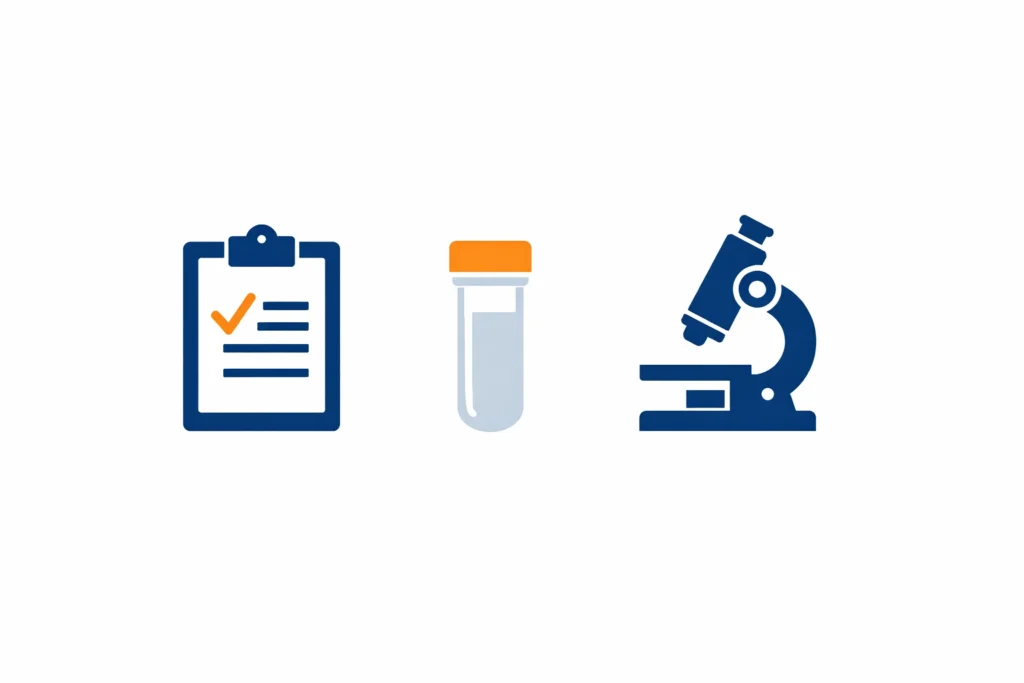
When you hire a professional team like Peerless Environmental, you aren’t just paying for a “look-see.” You are investing in a rigorous, scientific protocol designed to protect your health and your property’s value. A certified inspector follows a structured four-step approach that ensures no stone is left unturned.
1. Visual Inspection and Mapping
A certified asbestos inspector will conduct a comprehensive walkthrough of your home. They aren’t just looking at the surface; they are looking for “suspect materials.” This includes identifying textured ceilings, old pipe wraps, vinyl floor tiles, roofing materials, and even the adhesive (mastic) used under old flooring.
2. Precise Sample Collection
This is where the expertise of a “trusted advisor” truly matters. A professional doesn’t just grab a piece of drywall and throw it in a bag. They follow strict safety protocols:
- Wetting the Surface: Using a mist of water and detergent to ensure no dust escapes during the cut.
- Full-Depth Sampling: Taking a sample that includes all layers of the material to ensure accuracy.
- Sealing the Site: Immediately patching the sample area with specialized tape to prevent any lingering fiber release.
3. Accredited Laboratory Analysis
The samples are sent to an NVLAP-accredited or EPA-certified laboratory. Here, technicians use Polarized Light Microscopy (PLM) to examine the material at a microscopic level. They determine the exact type of asbestos present (such as chrysotile or amosite) and its concentration level.
4. The Clear Report
You won’t get a cryptic “yes or no.” You will receive a professional, clear report that details where asbestos was found, the percentage of concentration, and recommendations for the next steps. This report is your roadmap for a safe renovation.
The Dangers of the “Do It Yourself” Mentality
In the age of YouTube tutorials, it is tempting to think you can handle asbestos testing with a $20 kit from a big-box store. We must be direct here: DIY testing is a gamble with your life.
Companies that may not have your best interests at heart might tell you that home kits are “just as good,” but they lack the controlled environment and the rigorous training required to collect samples without contaminating your living space. Furthermore, many states in the Southeast have strict legal requirements regarding who can collect and transport asbestos samples. If you live in a multi-family unit or an attached house, unauthorized sample removal may even be illegal.
Professional testing ensures that the sample is taken safely, the chain of custody is maintained, and the results are legally defensible. Don’t let a “budget” testing kit turn into a lifelong health crisis.
If Asbestos is Found: The Peerless Standard for Asbestos Removal
Discovering asbestos in your home can feel like a setback, but it is actually a victory for your safety. You have identified the threat before it could harm you. The next step is asbestos removal, and this is where Peerless Environmental’s sense of “profound duty” comes into play.
We don’t just “remove” materials; we remediate the environment. If your testing report comes back positive, Peerless Environmental offers licensed asbestos removal that follows the most stringent EPA and OSHA standards.
- Containment: We create airtight barriers using heavy-duty plastic sheeting and negative air pressure machines equipped with HEPA filters. This ensures that no fibers escape the work zone into the rest of your home.
- Personal Protective Equipment (PPE): Our technicians wear specialized suits and respirators, ensuring they remain safe while they protect your property.
- Decontamination: We utilize multi-stage decontamination chambers for our team and all waste materials.
- Proper Disposal: Asbestos cannot be thrown in your regular trash. We handle the legal transport and disposal of all hazardous waste at authorized facilities.
Our goal is to return your home to you in a “clean” state, ready for the renovators to do their work without fear. For more information on how we handle these high-stakes projects, you can visit our about page.
Community-Focused Concern: Protecting the Southeast
At Peerless Environmental, we view our work through a local lens. We aren’t just a faceless corporation; we are your neighbors. We understand the specific building trends of the Southeast and the unique environmental challenges our region faces. Whether we are assisting with radon testing or managing complex lead-abatement projects, our mission is the health and well-being of our community.
We have seen too many homeowners start a “simple” weekend project only to realize halfway through that they have filled their HVAC system with asbestos dust. We want to prevent that. By prioritizing asbestos testing near me before you start, you are choosing a path of wisdom and safety.
Key Takeaways for Homeowners
- Assumption is the Enemy: Never assume a material is “safe” because it looks modern or is in good condition.
- Test Early: Asbestos testing should be the very first line item in your renovation budget.
- Trust the Pros: Use certified inspectors and accredited labs to ensure your results are 100% accurate.
- Act Decisively: If asbestos is found, hire a licensed professional for asbestos removal. Never attempt to remove it yourself.
Renovating your home should be an exciting journey of transformation. By addressing the invisible threats of the past, you are building a safer, healthier future for your family.
If you are ready to secure your job site and protect your home, contact us today. Let Peerless Environmental be your “trusted advisor” in navigating the complexities of environmental safety. Your health is our mission, and your peace of mind is our standard.

Daniel Smoke is the Director of Operations at Peerless Environmental. He helps set field standards and safety protocols that support compliant asbestos testing and removal, lead services, and radon testing and mitigation.
Last updated on March 23rd, 2026 at 04:07 pm